Video for Photographers: The Complete Crossover Guide
Video for photographers is the same craft viewed through a slower shutter: you already understand…
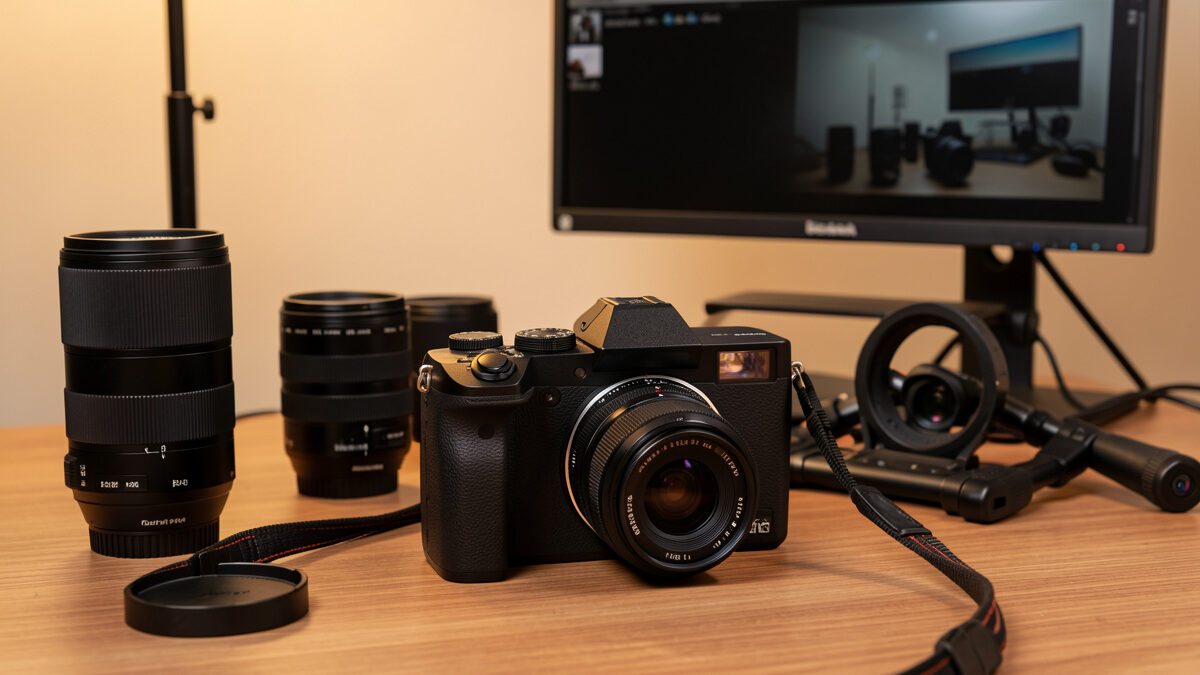
The best camera for video in 2026 for most photographers is the hybrid body you already own. Any interchangeable-lens camera from the last five years shoots clean 4K, so the real question is narrower: in-body stabilization, 4K without a heavy crop, no overheating on long takes, and a headphone jack to monitor audio. Those four specs separate a good video body from a frustrating one.
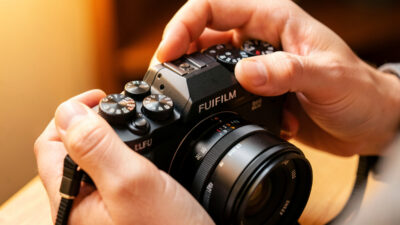
I shoot two systems — a Fujifilm X-T5 on APS-C and a Sony a7 IV on full-frame — and I cross-reference rendering and high-ISO behavior between them constantly. That two-mount habit is exactly what makes me distrust spec-sheet rankings: the number that wins a comparison chart is rarely the number that decides whether a body is pleasant to film with. This guide ranks what matters for a stills shooter crossing into video, and it sits under my broader video for photographers guide. As an Amazon Associate I earn from qualifying purchases.
Forget resolution wars. A photographer choosing a video body should weigh four things in order. First, in-body image stabilization (IBIS): it makes handheld static shots usable without a rig. Second, a clean 4K readout without a heavy sensor crop, so your wide lenses stay wide. Third, thermal behavior — can it record a 20-minute take in a warm room without shutting down. Fourth, a headphone jack, because you cannot fix audio you could not hear while filming. Resolution beyond 4K, raw video, and 120 fps are nice extras, not deciding factors for most work.
Notice what is missing from that list: megapixels. A 24MP body and a 40MP body both downsample to a sharp 4K frame, and the higher count can actually run hotter and fill cards faster. More pixels is a stills argument, not a video one.
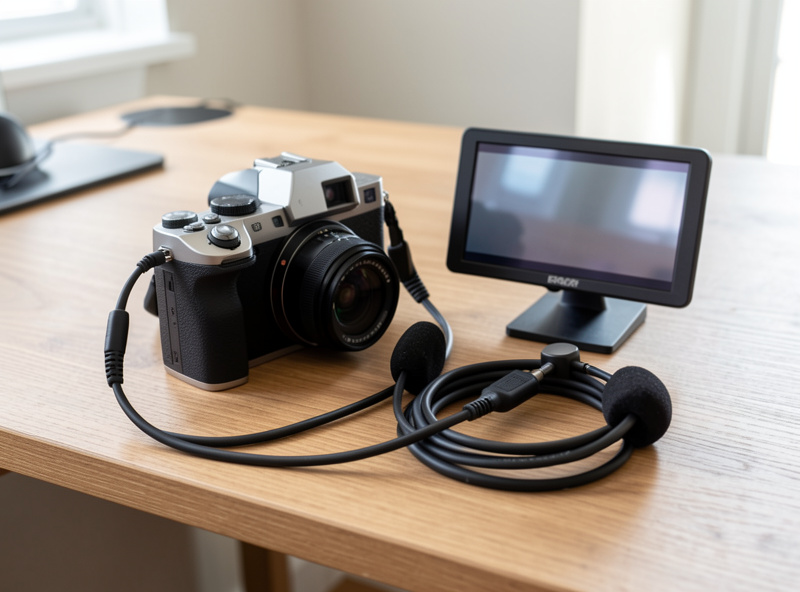
Here is how the bodies most photographers actually cross-shop stack up against those four specs. I have lived with the two Fujifilm and Sony bodies here; the others I judge by review consensus rather than personal lab time, and I have flagged that honestly. The point is not to crown one winner — it is to match a body to how you shoot.
| Body Type | IBIS | 4K Without Heavy Crop | Long-Take Thermals | Best For |
|---|---|---|---|---|
| Fujifilm X-T5 (APS-C, owned) | Yes | Oversampled 6.2K/4K | Good, can warm on long 6.2K | Stills-first hybrids who film occasionally |
| Sony a7 IV (full-frame, owned) | Yes | 4K from oversampled read | Solid for typical takes | Two-system shooters wanting FF reference |
| Full-frame video-leaning hybrid (consensus) | Yes | 4K60, often no record limit | Strong, fan-assisted on some | Photographers who film a lot |
| Dedicated APS-C vlogging body (consensus) | Varies | 4K with mild crop | Good for short clips | Run-and-gun, lightweight kits |
This is the spec-war photographers carry over from stills, and for video the honest answer is: it matters less than you think. Full-frame gives you shallower depth of field at a given framing and a bit more clean ISO headroom for dim interiors. APS-C gives you a smaller, lighter kit and more effective reach. My 40MP X-T5 resolves so much detail that its downsampled 4K is gorgeous, and my a7 IV’s full-frame look is lovely for subject separation — but in a finished, graded clip on a normal screen, the difference is far smaller than the difference good light and correct shutter make.
Choose the sensor size for the same reasons you would for stills: kit weight, lens availability, and the look you like. Do not buy a new mount for video alone. If you want the deeper reasoning on bodies versus glass, it is woven through the switching from photo to video guide.
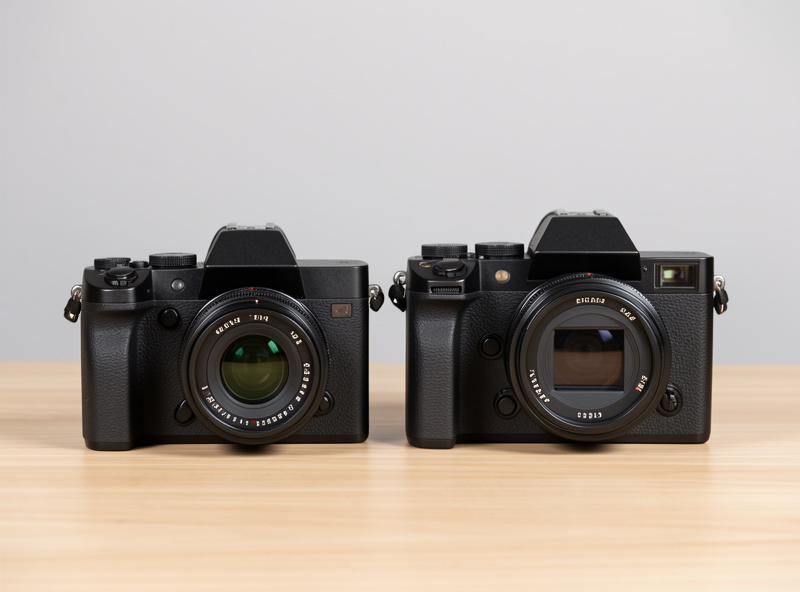
The body anxiety is misplaced; the glass is where the look lives. A fast prime’s rendering — its micro-contrast, the way it separates a subject from the background, how it draws out-of-focus highlights — is what makes footage read as cinematic before a single grade. My XF 35mm f/1.4 and the FE 85mm I cross-reference it against do more for the cinematic feel of a clip than any body spec. One trait does change for video, though: focus breathing, the slight reframing as a lens refocuses. Some otherwise-excellent stills lenses breathe enough to distract on a focus pull, so it is worth checking your own copies before a deliberate rack.
If you are shopping, put your money into a fast prime before a new body. You can browse fast primes for hybrid shooting and, if you genuinely need a newer body, compare hybrid mirrorless bodies with IBIS rather than chasing resolution.
A few headline numbers sell cameras and rarely change your footage. 8K is overkill for nearly all delivery and punishes your storage and your computer. Internal raw video is a power-user feature most photographers will never grade. 120 fps is a specific slow-motion tool, not a general quality boost, and it usually drops resolution and audio. Anamorphic modes, waveform overlays, and log gamma curves are genuinely useful — but only once your fundamentals are solid. Buy for the four specs that matter, and treat the rest as bonus.
The trap is the same gear-acquisition reflex that drives stills upgrades: the belief that the next body fixes what technique has not. It does not. A locked-off 4K shot at the right shutter, well lit, with clean audio, on the body you already own beats an 8K clip shot with the wrong shutter and a hollow on-camera mic every time.
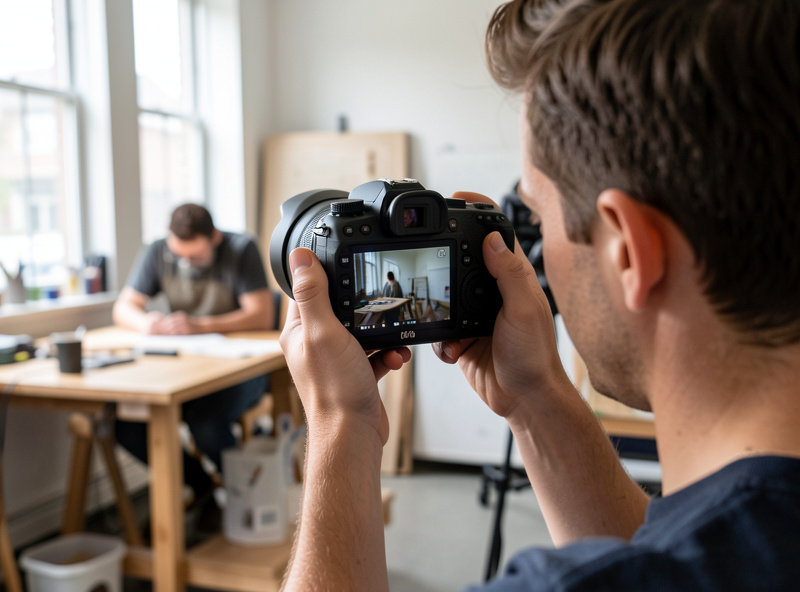
If I were starting from nothing as a photographer who wants to film, I would buy a current-generation hybrid with IBIS and clean 4K — the exact model matters less than hitting those four specs — and spend the rest on one fast prime and a microphone. That kit films anything most people need: documentation, interviews, product, b-roll. The body I would not buy is a dedicated cinema camera; that is a different craft with a different workflow, and the commercial side of video — tethered color-managed delivery, client deliverables — is genuinely outside what a stills shooter needs to start.
Whatever you choose, sort audio in the same purchase, because it does more for perceived quality than any sensor upgrade. The audio for video guide covers the first mic to buy, and the frame rate and shutter speed guide makes sure whatever body you pick produces motion that looks right.
For most photographers it is the hybrid body they already own. The deciding specs are in-body stabilization, clean 4K without a heavy crop, no overheating on long takes, and a headphone jack. Hitting those four matters far more than resolution or brand.
Not meaningfully for most work. Full-frame offers shallower depth of field and slightly cleaner high ISO; APS-C is lighter with more reach. In a finished, graded clip on a normal screen the difference is smaller than the difference good light and correct shutter make.
Almost never. 8K is overkill for nearly all delivery and strains storage and computers. Internal raw is a power-user feature most photographers never grade. Buy for IBIS, clean 4K, thermals, and a headphone jack, and treat higher resolution as a bonus.
A lens, almost always. A fast prime’s rendering and subject separation do more for a cinematic look than any body spec. Put money into glass before a new body, and check your lenses for focus breathing if you plan deliberate focus pulls.
No. Both 24MP and 40MP bodies downsample to a sharp 4K frame, and higher counts can run hotter and fill cards faster. Megapixels are a stills consideration. For video, ignore the number and weigh stabilization, crop, thermals, and audio monitoring.
Usually not to start. Cinema bodies use a different workflow built around color-managed delivery and client work, which sits outside what a stills shooter needs. A hybrid with IBIS, a fast prime, and a microphone films almost anything most people make.
Video for photographers is the same craft viewed through a slower shutter: you already understand…
Switching from photo to video is less a new skill than a reorganization of the…
Leave a Reply