Coma and Astigmatism in Astrophotography Lenses Explained
Coma is the optical flaw that decides whether an astrophotography lens is worth owning. It…
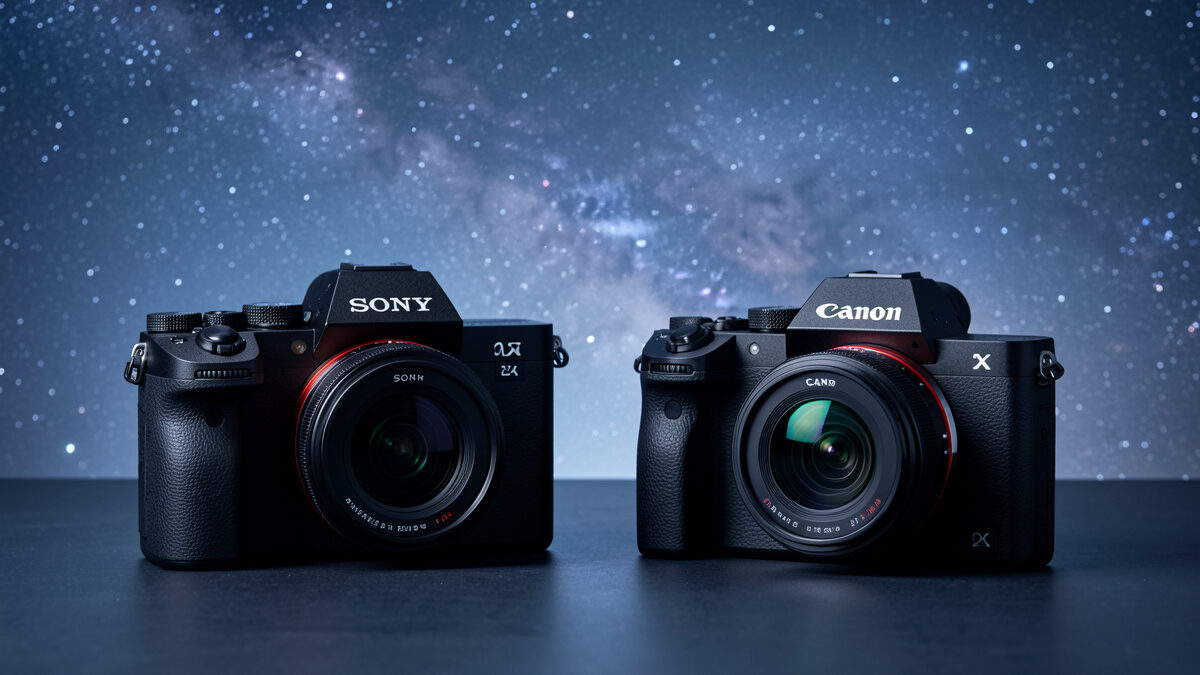
For astrophotography, Sony’s E-mount currently offers the broadest and most affordable fast-wide lens ecosystem, while Canon’s RF mount delivers superb first-party optics at a premium with tighter third-party access. Neither system is optically “better” for the night sky — the sensors and best lenses from both are excellent — but the practical difference comes down to how many fast, well-corrected wide-angle lenses you can actually buy, and at what price.
This spoke compares the two systems specifically for the dedicated astro lens buyer, not for video or autofocus or general use. If you are choosing a mount with the night sky as a priority, the lens availability matters more than any spec war between the bodies. Both of these slot into the wider lens-selection picture in my astrophotography lens guide, and the mount landscape across all brands is mapped in my camera lens mount guide.
The single biggest astro difference between Sony and Canon is third-party lens access. Sony opened E-mount to third parties early, so Sigma, Samyang/Rokinon, Tamron, and others build fast wide primes for it — which means more choices and lower entry prices for exactly the lenses astro shooters want. Canon’s RF mount has historically restricted third-party autofocus lenses, so the fast-wide field is dominated by Canon’s own (excellent but pricey) glass.
For the night sky, where many of us shoot manual-focus primes anyway, this gap is narrower than it looks but still real. A Sony shooter can buy a clean, fast manual wide for a fraction of the cost of a comparable first-party Canon RF lens, and the third-party makers have been building astro-favorite wides for E-mount for years. Canon’s RF lineup answers with first-party wides that are optically superb and often better-corrected for coma out of the box, but you pay for that polish. The general prime-versus-zoom trade applies to both systems and is covered in my prime vs zoom lenses guide.
It is also worth remembering this is a moving target — Canon has been gradually loosening RF third-party access, so the gap that exists today is narrower than it was a couple of years ago and may keep closing. I would not buy into a system purely on the assumption that the catalog stays frozen. The safer way to choose is to look at the specific fast wides available right now for each mount, in the focal length and price you actually want, and pick the system that already has the lens you would buy.
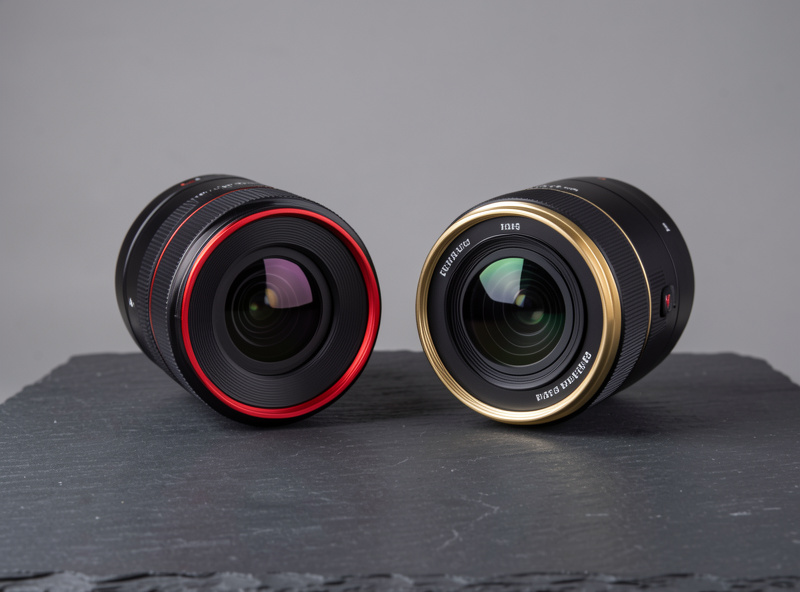
Both systems have outstanding first-party fast wides, and if budget is no object the native glass is usually the safest astro choice. Sony’s G Master wides are beautifully corrected and weather-sealed; Canon’s RF wides are equally strong and sometimes even better at the extreme edges. The trade is consistent: you get excellent coma correction and build quality, you pay a premium, and you keep full autofocus and lens-camera communication for your daytime work.
The honest caveat is that first-party fast ultra-wides on both mounts often have bulbous front elements that rule out screw-on filters — a real consideration if you shoot near light pollution and want a screw-on filter. That is a lens-design issue, not a brand issue, and it affects the fastest wides on both systems equally. Weigh it the same way regardless of which logo is on the body. The filter and exposure side is covered in my long-exposure night guide.
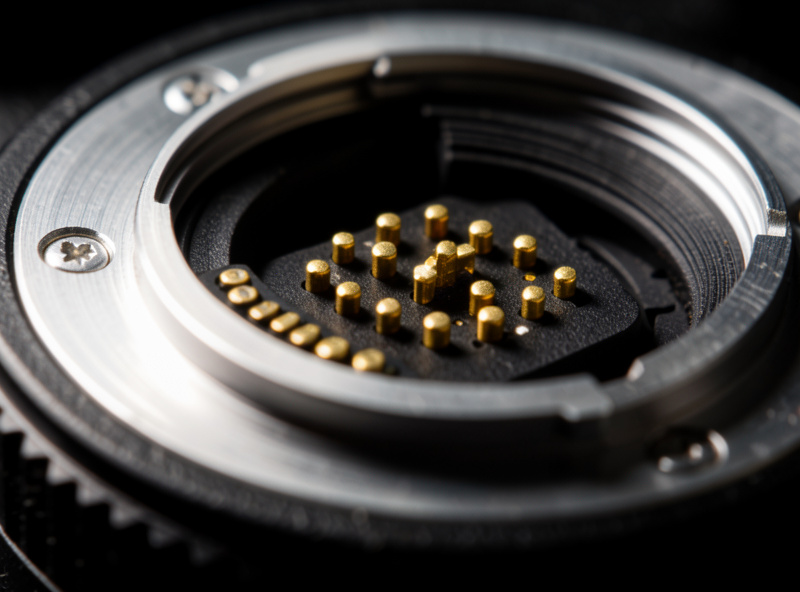
There is also an adapter angle worth knowing. Canon’s RF and Sony’s E both let you adapt other lenses — including manual-focus astro wides and legacy glass — which widens the practical lens pool beyond the native catalog. For astro, where autofocus is irrelevant, a cheap dumb adapter and a manual wide can put a clean, fast lens on either body for very little money. That flexibility softens the third-party gap, especially for Canon shooters who can adapt manual wides even where native autofocus third-party options are scarce. It is one more reason the mount is less of a hard barrier than the spec-sheet debate makes it sound.
The table below summarizes the practical differences that actually affect an astro lens purchase. Use it as a decision filter, then dig into the specific lens you are considering for its real coma behavior.
| Factor | Sony E-mount | Canon RF |
|---|---|---|
| Third-party fast wides | Extensive (Sigma, Samyang, Tamron) | Limited; Canon-dominated |
| Entry price for a fast wide | Lower (manual primes affordable) | Higher; first-party premium |
| First-party wide quality | Excellent (G Master) | Excellent (RF L) |
| Coma correction (best lenses) | Very good | Very good to excellent |
| Astro buyer summary | Best choice + value | Best if buying first-party |
If you are buying into a system today with astrophotography as a priority and value matters, Sony’s E-mount is the easier recommendation — more fast wides, lower prices, a deep third-party catalog that has served astro shooters for years. If you already own Canon RF, or you want the absolute polish of first-party glass and have the budget, Canon’s wides will not let you down optically. The sensor is not the deciding factor on either side, and at the high-ISO settings astro demands, the gap between modern Sony and Canon sensors is small enough that lens choice swamps it entirely.
I would also weigh what else you shoot. If astro is one genre among many, the system with the better all-round lens lineup and ergonomics for your other work should win, because you will use those lenses far more nights of the year than you will chase the Milky Way. A mount you enjoy shooting daily, with one good fast wide added for the dark nights, beats an astro-optimized system that feels wrong in your hands for everything else.
The most important advice is to ignore the brand war and pick the specific lens. A clean, fast, well-corrected wide on either mount beats a coma-prone lens on the “better” system every single night. Once you have the mount, my picks for the wide itself are in the best wide-angle lens for Milky Way spoke, and the pure-speed angle is in the fastest lenses for night sky guide. Choose the lens that draws clean corner stars, and the logo on the body matters far less than the marketing suggests.
One practical tiebreaker: if you only ever shoot the night sky a few nights a year and astro is not your main genre, do not switch systems for it. The cost and friction of changing mounts dwarfs the marginal lens-availability advantage, and a manual wide adapted onto your existing body will get you clean Milky Way frames either way. Switch only if astro is genuinely a primary use and the lens you want simply is not made for your current mount. For everyone else, the better move is to buy the best fast wide your existing system offers and put the saved money toward dark-sky travel — a darker sky improves your astro images more than any brand change ever will.
Neither is optically better; both have excellent sensors and lenses. Sony’s E-mount offers more affordable third-party fast wides, while Canon’s RF mount has superb first-party wides at a premium with limited third-party access.
Yes. Sony opened E-mount to third parties early, so Sigma, Samyang, and Tamron build fast wide primes for it. Canon’s RF mount restricts third-party autofocus lenses, so its fast-wide field is mostly first-party Canon glass.
No. Third-party manual-focus fast wides are popular astro choices and often cheaper. Since you focus manually on stars anyway, the lack of autofocus is no loss at night. Coma correction matters more than the brand.
Not at all. Canon’s RF wides are optically excellent, often with very good coma correction. The main drawback for astro is cost and limited third-party choice, not image quality. First-party RF wides perform superbly at night.
As an Amazon Associate I earn from qualifying purchases. On Sony, the Sony FE 14mm f/1.8 GM is a benchmark astro wide; on Canon, the Canon RF 15-35mm f/2.8 covers the wide range with first-party correction.

Coma is the optical flaw that decides whether an astrophotography lens is worth owning. It…

Manual focus is the only reliable way to focus on stars, and the technique that…

The fastest lenses for night sky photography sit between f/1.4 and f/2.0 — fast enough…
Leave a Reply