Best Wide-Angle Lens for Milky Way Shooting: How to Choose
The best wide-angle lens for Milky Way shooting is a fast, well-corrected prime in the…
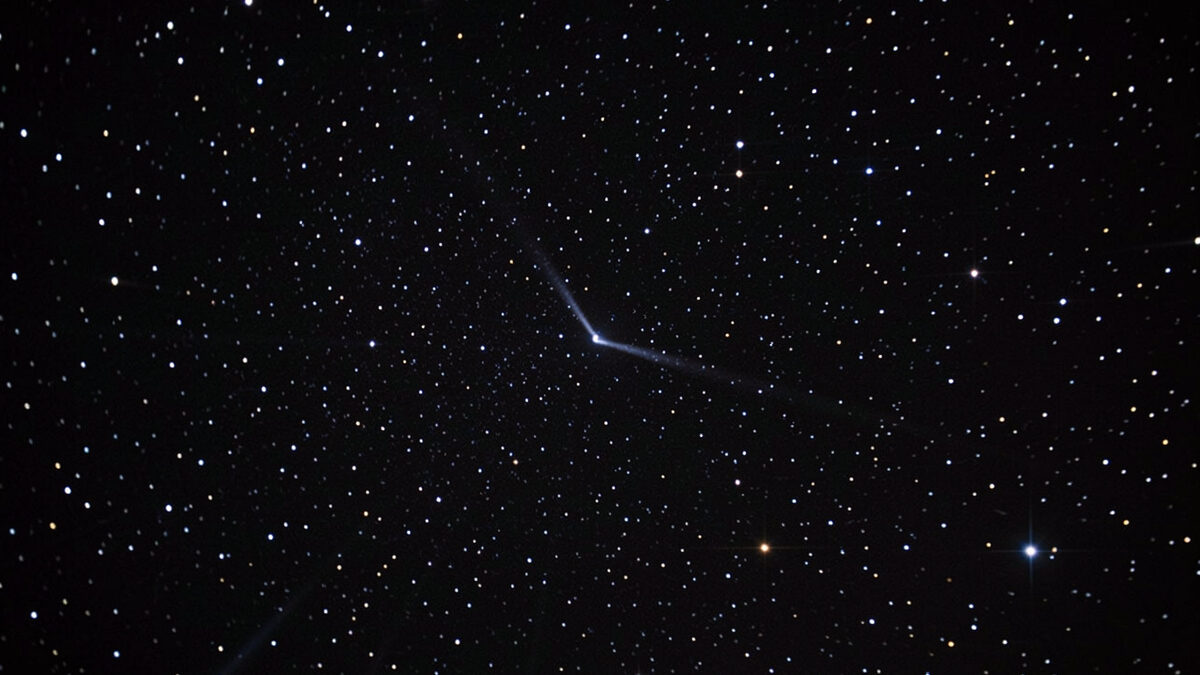
Coma is the optical flaw that decides whether an astrophotography lens is worth owning. It turns the pinpoint stars near the frame edge into tiny comet or seagull shapes that flare outward from the center, and unlike most aberrations you cannot fully fix it in post. It is worst wide open — exactly where astro shooters want to be for the light — and it improves as you stop down, which is the central tension of choosing a fast night lens.
This guide explains what coma and its cousin astigmatism actually are, how to test a lens for them on your own gear, and why two lenses with identical f-numbers can perform worlds apart at night. Coma correction is the single most important optical property in my astrophotography lens guide, and understanding it is what lets you read past a spec sheet to judge a lens for the night sky.
Coma is an off-axis aberration: light from a point source near the edge of the frame focuses to a smeared, asymmetric blob shaped like a comet’s tail rather than a clean point. Astigmatism is the related flaw where edge points stretch into short lines or ovals because the lens focuses sagittal and tangential detail at slightly different planes. Together they are why corner stars in a wide-open astro frame can look like a flock of tiny seagulls.
The reason these matter so much for astrophotography, and so little for daytime work, is that stars are perfect point sources scattered right to the edges of the frame. A landscape or portrait hides edge aberrations in detail and bokeh; a star field exposes every one of them ruthlessly against a black sky. That is why a lens can be a stellar daytime performer and a disappointment at night — the test subject is far less forgiving. The same edge-correction scrutiny shows up in my long-exposure night guide whenever there are small bright points in the frame.
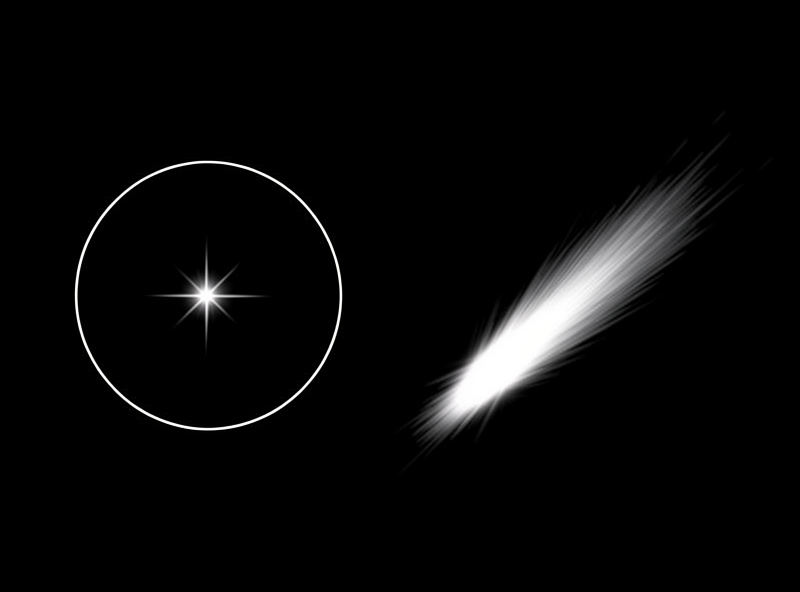
Coma is a loss of optical information, not a simple distortion, so no slider in Lightroom rebuilds the point a smeared star should have been. Lens-correction profiles handle vignetting and geometric distortion well, and some software reduces lateral chromatic aberration cleanly, but the asymmetric smear of coma is baked into the captured pixels. Once a corner star is a seagull, it stays a seagull.
This is exactly why coma correction is worth paying for in the lens itself, and why I rate a fast astro lens by how clean it is wide open rather than by its headline aperture. A lens that holds round corner stars at f/1.8 is genuinely more valuable than one that needs f/4 to clean up, because the well-corrected lens lets you keep the speed you bought it for. The only post-capture workaround is stopping down at the time of shooting, which costs light — a trade, not a fix. I process all my night frames in Lightroom and the coma is simply not something the develop module can repair, which is the whole reason it belongs in the buying decision.
The reliable home test is a single bright point source in the extreme corner of the frame, shot wide open and then stopped down one third of a stop at a time. I use a small backlit point or a distant streetlight pushed right into the corner, then pixel-peep the corner star at each aperture and watch exactly where the seagull collapses back to a round point. That aperture is the lens’s real astro working aperture.
A well-corrected astro prime keeps tight round corner stars within one stop of wide open — clean by f/2.2, essentially perfect by f/2.8. A poorly corrected lens is still throwing visible coma at f/4, by which point you have surrendered all of its speed advantage. On my 40MP X-T5 the test is unforgiving, which is the point: a lens that holds points at the pixel level on a high-resolution sensor will look flawless on anything coarser. This is the same chart-and-field discipline I apply to every lens, just aimed at the one flaw that matters most after dark.

Several aberrations affect night frames, and it helps to know which ones you can fix and which you cannot. The table below sorts the common ones by what they do and whether post-processing can rescue them.
| Aberration | What It Does to Stars | Worst At | Fixable in Post? |
|---|---|---|---|
| Coma | Comet/seagull-shaped edge stars | Wide open, frame edges | No — stop down instead |
| Astigmatism | Edge stars stretched to ovals/lines | Wide open, frame edges | No — stop down instead |
| Lateral CA | Color fringing on edge stars | Frame edges | Mostly yes |
| Longitudinal CA | Purple/green halos on bright stars | Wide open | Partly; stopping down helps |
| Vignetting | Darkened frame corners | Wide open | Yes |
The practical takeaway is to buy a lens documented to be clean wide open, and if you already own a coma-prone lens, stop it down one third to two thirds of a stop as a compromise between light and clean corners. That small stop-down often removes most of the seagulling while costing far less light than going to f/4 — a worthwhile trade on many lenses. Knowing your specific lens’s clean-up aperture, from your own corner test, lets you make that call with confidence.
Coma also pushes the decision toward primes for serious work, because fast primes are generally better corrected at the edges than zooms at the same price — though the best modern wide zooms have narrowed that gap. The general prime-versus-zoom trade-offs are laid out in my prime vs zoom lenses guide, and the lenses I rate cleanest wide open are in the fastest lenses for night sky guide. Judge any astro lens one stop down from wide open, and coma stops being a mystery. The mount-by-mount picture of which systems offer the best-corrected fast wides is in my Sony vs Canon for astro lenses comparison, since correction quality often tracks which makers build for your mount.
Coma is an off-axis aberration that smears point stars near the frame edge into comet or seagull shapes flaring outward from center. It is worst wide open and improves as you stop down. It is the most important astro lens flaw.
No. Coma is a loss of optical information, not a simple distortion, so no slider rebuilds the smeared star into a point. Lens profiles fix vignetting and distortion, but coma must be reduced by stopping down when shooting.
Put a bright point source in the extreme corner, shoot wide open, then stop down a third of a stop at a time and pixel-peep the corner star. The aperture where the seagull collapses to a round point is the lens’s astro working aperture.
Coma smears edge points into asymmetric comet shapes; astigmatism stretches them into ovals or short lines because sagittal and tangential detail focus on slightly different planes. Both are off-axis, worst wide open, and not fixable in post.
Yes, mostly. Coma improves quickly as you stop down, and one third to two thirds of a stop often removes most of it. The cost is light, so a lens that is clean wide open is more valuable for the night sky.

The best wide-angle lens for Milky Way shooting is a fast, well-corrected prime in the…

Manual focus is the only reliable way to focus on stars, and the technique that…
For Milky Way photography, mirrorless cameras hold a real practical edge over DSLRs — not…
Leave a Reply