Camera Body Buying Guide: How to Choose the Right Body
The best camera body buying guide advice I can give in one line: buy the…
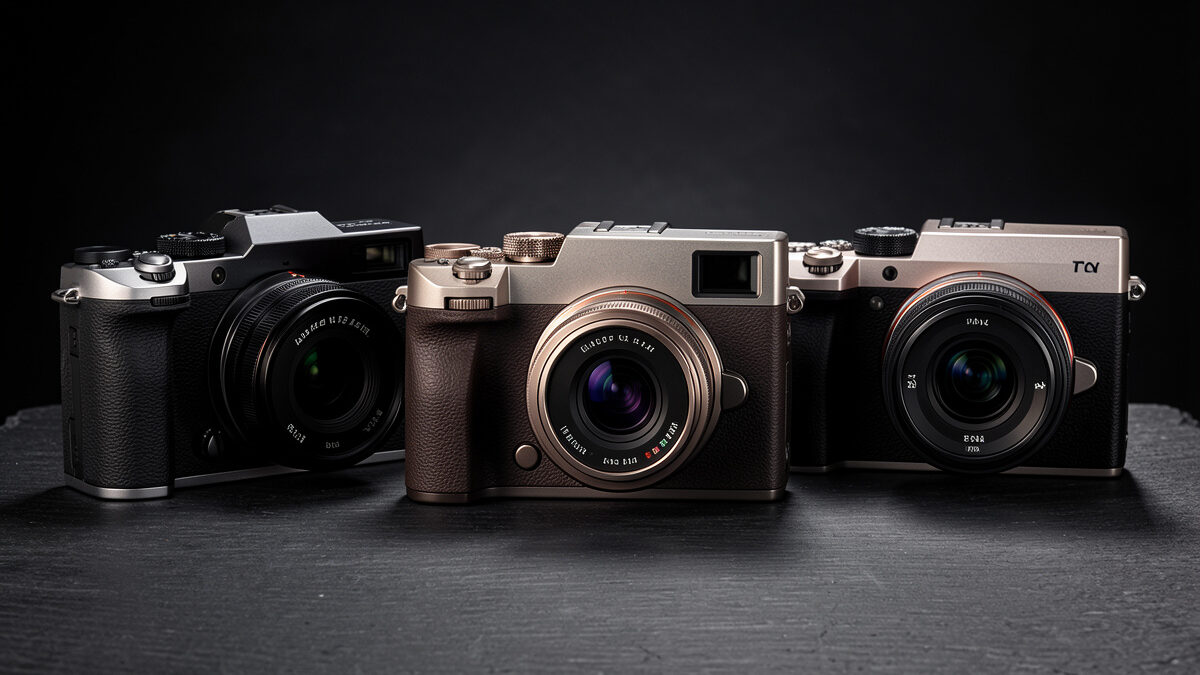
For most buyers in 2026, Canon, Sony, and Nikon all make excellent full-frame mirrorless cameras, and you genuinely can’t make a bad choice — so the decision comes down to lens ecosystem, autofocus character, color science, and which body feels right in your hands. Sony leads on lens selection and autofocus breadth; Canon and Nikon counter with ergonomics, colour, and superb viewfinders. A body lasts most shooters five to six years before it feels dated, but the mount you commit to is a ten-year-plus investment in glass — so weigh the lens ecosystem first.
I shoot Sony E-mount on a full-frame a7 IV alongside my Fuji X system, so Sony is the mount I know from the inside — and I’ve spent enough time charting and shooting beside Canon RF and Nikon Z bodies to compare them honestly rather than from a spec sheet. What follows is a glass-first, ergonomics-second look at the three systems, because the mount you pick today is a decade-long commitment to a lens ecosystem far more than it is a commitment to any one body.
Choosing between Canon RF, Sony E, and Nikon Z is really choosing a lens ecosystem you’ll live in for ten years. The bodies from all three are close enough in image quality that the deciding factors are which lenses exist on the mount, what they cost, and whether third-party makers are allowed to compete on price. Get the mount right and any of their bodies will serve you well.
This is the trap that catches brand-loyal buyers: they pick a body on a deal, then discover the specific lens they need is expensive or simply absent on that mount. Before you commit, list the three or four lenses you’ll want over the next few years and price the whole path on each system. I nearly tripped over this myself before settling on E-mount: I almost grabbed a different body on a holiday discount, then priced the fast 85mm and the wide zoom I knew I’d end up wanting and found the lens path far pricier on that mount than the deal had saved me. My camera lens mount guide walks through RF, Z, and E in detail, and the broader logic of buying mount-first is in the camera body buying guide.
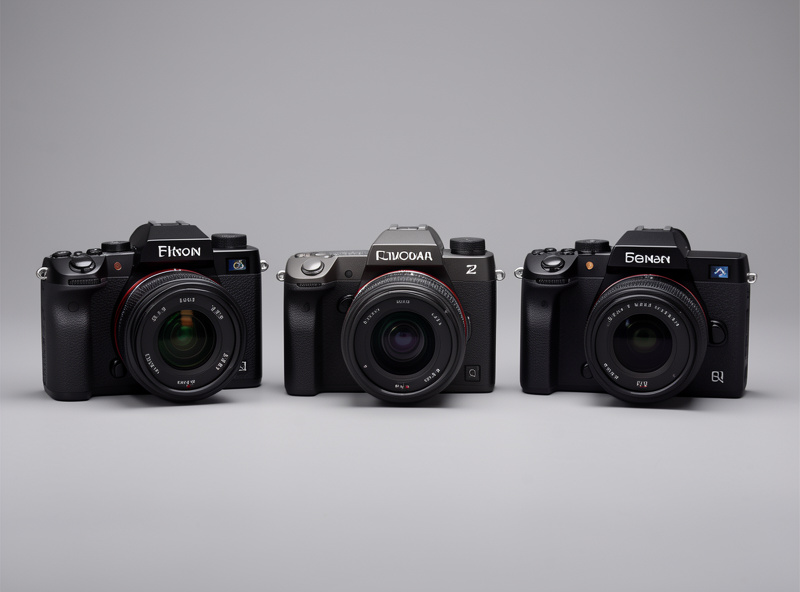
Sony’s biggest advantage is breadth: the E-mount has the largest and most mature full-frame lens lineup of the three — the E-mount catalogue now runs to well over a hundred native lenses across first- and third-party — including a deep catalogue of affordable glass from makers like Sigma and Tamron. That competition keeps prices down and gives you options at every budget that the other two mounts can’t always match — and it’s the single strongest reason I shoot the system.
Sony’s autofocus is also the benchmark most reviewers measure the others against — its subject detection and tracking are reliably excellent across stills and video. The historic knock on Sony was dense, unintuitive menus and bodies that felt a touch clinical in the hand; recent generations have improved the menus a lot, but if ergonomics and colour-straight-out-of-camera are your priority, this is where Canon and Nikon push back. For the way I work — glass-first, lots of options, autofocus I never think about — the E-mount earns its place.
Canon’s strengths are the ones that don’t show on a spec sheet: deep, comfortable grips, an intuitive menu, and colour science — especially skin tones — that many portrait shooters prefer straight out of camera. The RF bodies I’ve shot alongside feel immediately natural in the hand, and that ergonomic ease is a real, daily advantage that’s easy to underrate until you’ve lived with it.
The historic caveat with RF has been third-party lens support: Canon kept the mount relatively closed, so the affordable Sigma-and-Tamron options that flood the Sony world have been thinner, which can push your lens budget up. Canon’s own RF glass is superb but priced accordingly. If you value how a camera feels and renders over having the widest cheap-lens buffet, Canon is a strong choice — just price the specific lenses you want before committing, because the ecosystem economics differ from Sony’s.
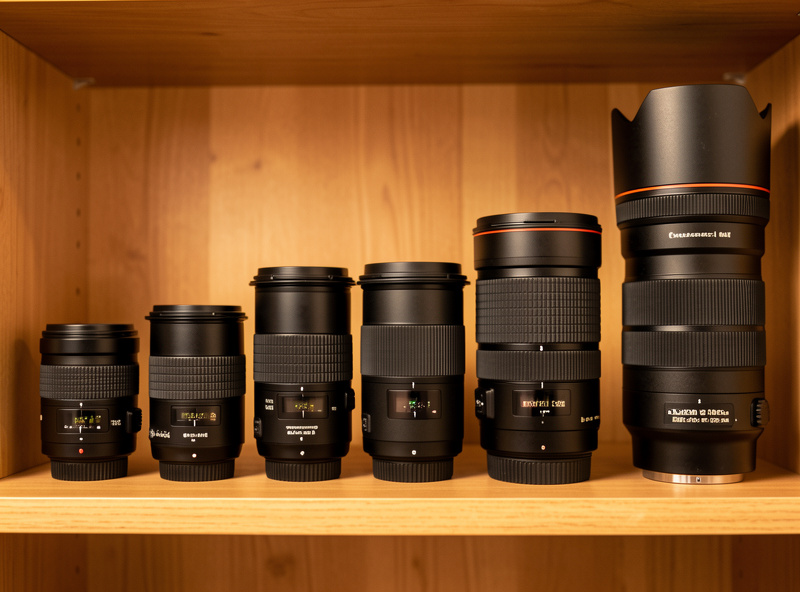
Nikon’s calling cards are excellent viewfinders, confident ergonomics, and a wide lens mount that gives optical designers room to build fast, sharp glass. Nikon’s colour rendition has a loyal following, and the Z bodies are widely praised for feeling solid and purposeful — the company leaned into the things working photographers actually touch rather than chasing headline numbers.
The Z system’s native lens lineup, while excellent in quality, is younger than Sony’s and has historically had fewer budget options, though that gap keeps closing as Nikon opens the mount to third parties. For a buyer who wants a camera that feels like a tool built by people who shoot, with a first-rate viewfinder to frame on, Nikon Z is genuinely compelling. As always, weigh the lenses you’ll actually buy, not just the body in the shop.
| Factor | Sony E | Canon RF | Nikon Z |
|---|---|---|---|
| Lens ecosystem | Largest, most mature | Excellent first-party | Strong, younger lineup |
| Affordable third-party | Extensive | Historically limited | Growing |
| Autofocus | Industry benchmark | Excellent | Excellent |
| Ergonomics | Improved, compact | Class-leading grip | Confident, solid |
| Colour out of camera | Neutral, gradeable | Loved for skin tones | Loyal following |
| Viewfinder | Very good | Very good | Among the best |
Pick Sony if you want the widest lens selection and the most affordable third-party glass, and you don’t mind a slightly more clinical feel. Pick Canon if ergonomics and out-of-camera colour matter most and you’re happy buying mostly first-party lenses. Pick Nikon if you want a superb viewfinder, a solid build, and colour with a loyal following. None of those is a wrong answer.
The honest truth is that all three will out-resolve and out-focus what most photographers can extract from them, so the deciding vote should be ergonomics and lenses, not brand prestige. Hold each one if you can — the body that feels right under your fingers is the one you’ll actually carry and shoot, and that beats any spec-sheet edge. As an Amazon Associate I earn from qualifying purchases. If you’re comparing kits, current full-frame mirrorless bodies across the three makers are the place to start, then price the native lenses you’ll actually want.
Less than the internet wants you to believe. The differences between Canon, Sony, and Nikon in 2026 are real but small, and every one of them is dwarfed by the difference between a kit zoom and a fast prime on any of the three. Whichever you choose, your photographs will improve faster from better glass, better light, and more shooting than from switching brands.
I’d give the same advice to anyone agonising over the choice: stop comparing bodies and start comparing the two or three lenses you’ll buy first, because that’s where your money and your image quality actually live. Then learn to read natural light, which is free and improves your work more than any system swap. If you’re still deciding between mirrorless and a DSLR at all, the mirrorless versus DSLR guide comes first; and whichever brand you land on, the enthusiast camera guide helps you pick the right tier within it.
Canon, Sony, and Nikon dominate the full-frame conversation, but they aren’t the only good answer — and pretending they are is how a lot of buyers end up with the wrong camera. I shoot Fujifilm X alongside my Sony, and for many photographers an APS-C Fuji body delivers the dials, colour, and compact lenses they actually want at a lower price and weight than full-frame. Panasonic and OM System round out the field with their own real strengths.
Fujifilm’s draw is tactile, film-inspired controls and a colour rendition straight out of camera that I rarely need to touch — a genuine workflow saving over hundreds of frames. Panasonic’s full-frame and Micro Four Thirds bodies are strong for hybrid stills-and-video shooters, and OM System leans into compact, deeply weather-sealed bodies that wildlife and travel photographers love to carry. If the big three leave you cold, widen the search before you commit — the right tool might be a smaller-sensor system that out-handles full-frame for your subjects. The sensor-size trade-off behind that choice is in my full-frame versus APS-C comparison.
One last practical note: all three big makers have strong used markets, so a body one generation back from any of them is often the smartest way in — the money saved goes straight into the glass that actually shapes your photographs. Buy the system, not the newest box, and let the lenses be where you spend.
None is universally better. Sony leads on lens selection and affordable third-party glass; Canon is loved for ergonomics and out-of-camera colour; Nikon is praised for viewfinders and build. All three out-resolve and out-focus what most photographers can extract, so choose on lenses and how the body feels, not brand prestige.
Sony E-mount has the largest and most mature full-frame lens lineup, plus an extensive catalogue of affordable third-party glass from makers like Sigma and Tamron. Canon RF has superb first-party lenses but historically thinner budget third-party options, while Nikon Z is strong and steadily growing.
Sony’s autofocus is the benchmark most reviewers measure the others against, with excellent subject detection and tracking across stills and video. Canon and Nikon are also excellent and close behind. For the vast majority of subjects, all three focus better than you will ever need.
Rarely. The differences between the three in 2026 are real but small, and every one is dwarfed by the difference between a kit zoom and a fast prime. Switching brands means rebuying every lens, so your money almost always does more staying put and buying better glass.
Any of the three makes beginner-friendly bodies, so pick on feel and the price of the first two lenses rather than badge. Hold each in a shop if you can; the camera that feels natural in your hands is the one you will actually carry and learn on, which matters more than any spec difference.
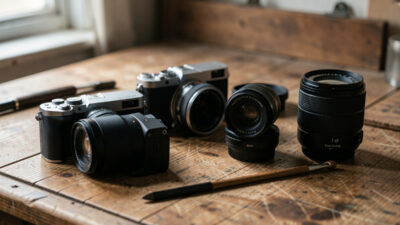
The best camera body buying guide advice I can give in one line: buy the…

The best beginner mirrorless camera is the one that’s light enough to carry every day,…
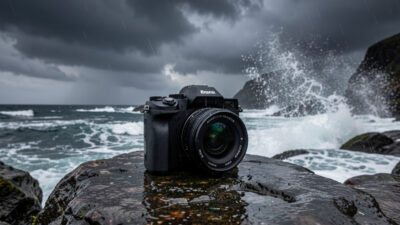
A weather-sealed camera uses gaskets and seals around its buttons, dials, and lens mount to…
Leave a Reply