Best Beginner Mirrorless Camera: How to Choose Your First
The best beginner mirrorless camera is the one that’s light enough to carry every day,…
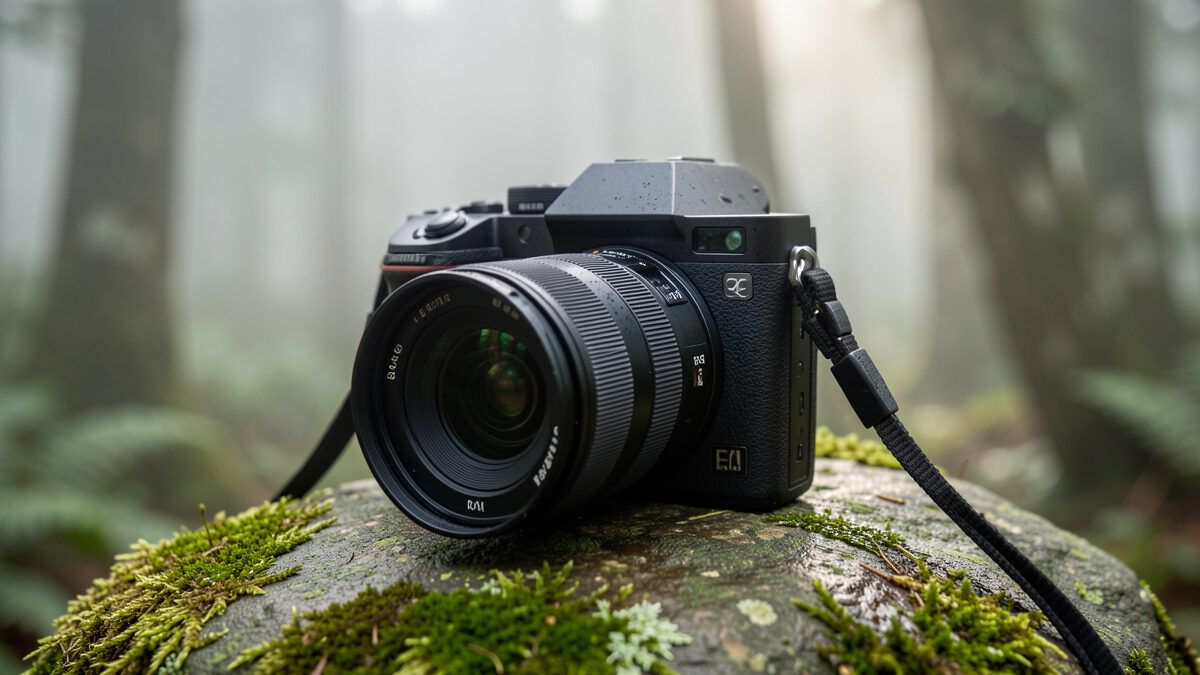
The best enthusiast camera in 2026 is a weather-sealed mid-tier body with twin control dials, in-body stabilization, and a sensor good enough to reward better glass — often for a third to half the price of a flagship, and without the weight or complexity. For most serious hobbyists that means a current APS-C or entry full-frame body matched to two or three excellent lenses, not the priciest box on the shelf.
I run a 40MP Fujifilm X-T5 and a full-frame Sony a7 IV, and both sit squarely in this enthusiast tier rather than the flagship one — deliberately. The enthusiast bracket is the smartest place in the whole market to spend, because it gives you the build, controls, and image quality that genuinely change your photographs while skipping the buffer depth and headline frame rates that only working pros under deadline actually need. This is where you stop fighting your gear and start being limited only by your own eye.
An enthusiast body earns its premium in four areas: a weather-sealed metal build, dedicated control dials instead of menu-diving, in-body image stabilization, and a sensor with the dynamic range to hold a Scandinavian sky. None of these is a headline spec, and all of them change how the camera feels and what it can capture in a way more megapixels never will.
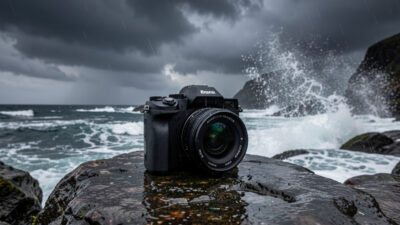
Direct controls are the upgrade you feel on every frame. A beginner body buries shutter speed, aperture, and ISO in menus; an enthusiast body puts a dial under each finger so you adjust exposure without taking your eye from the viewfinder. That fluency is what lets you react to changing light instead of missing it. Weather sealing widens the conditions you can work in, and in-body stabilization buys two to four stops of hand-holdable shutter speed, rated to the CIPA standard every maker quotes — genuinely useful at blue hour. If you’ve outgrown a starter kit, the jump up is laid out in my beginner camera guide and the broader camera body buying guide.
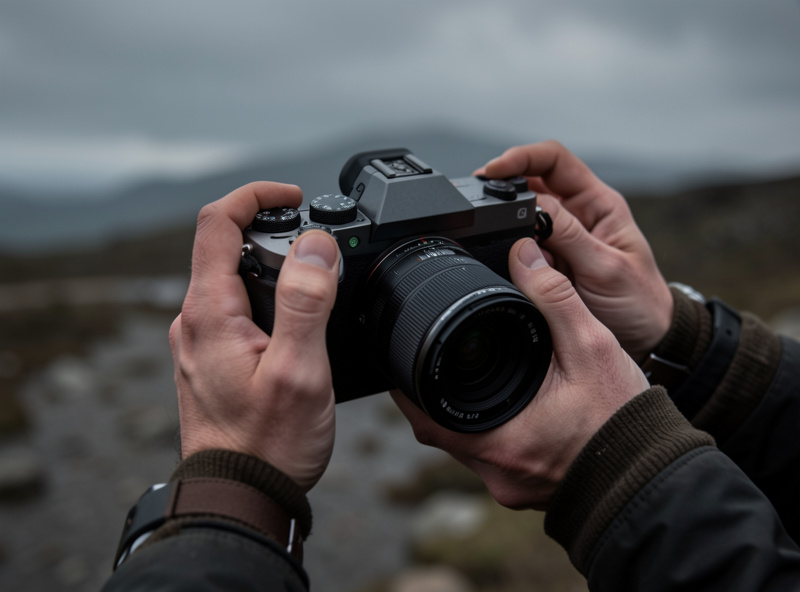
Both make superb enthusiast cameras, and the honest answer is that it depends on what you shoot. A high-resolution APS-C body gives you reach, lighter lenses, and a smaller kit; an entry full-frame body gives you about a stop more high-ISO headroom and shallower depth of field. Neither is universally better — and on a flat chart, a 40MP APS-C sensor out-resolves plenty of 24MP full-frame bodies.
I keep both for exactly this reason. The APS-C body is my daylight, travel, and reach camera; the full-frame body comes out for blue-hour landscape and anything past ISO 6400. As an enthusiast you should pick based on your actual subjects and how much weight you’ll carry, not on the spec-sheet prestige of “full-frame.” The complete trade-off — depth of field, noise, lens size, cost — is in my full-frame versus APS-C comparison, which is required reading before you commit at this level.
Flagship bodies are built for one thing: shooting fast action under professional deadline, with deep buffers and twenty-plus frames per second. Unless you photograph sports or wildlife for money, that capability sits unused while you pay for it in weight, bulk, and price. The enthusiast tier deliberately trades that away and keeps everything that touches image quality.
I’ve shot alongside flagship bodies and never once wished my enthusiast cameras had a deeper buffer for landscape, portrait, or travel work — the limit there is light and composition, not frame rate. Where flagship money would genuinely help is a specialist who needs the speed; for everyone else it’s the classic mistake of buying capability above your use case. Put that saved money into glass and support instead. The autofocus differences that do matter between the makers at this tier are in the Canon versus Sony versus Nikon comparison.
| Feature | Why an enthusiast wants it | Flagship-only excess to skip |
|---|---|---|
| Weather sealing | Shoot through drizzle and dust | Pro-grade ruggedization |
| Twin control dials | Exposure changes without menus | Top LCD, custom button banks |
| In-body stabilization | 2-4 stops slower hand-held | — |
| Dynamic range | Hold highlight and shadow detail | — |
| Moderate frame rate | Enough for the occasional action | 20+ fps, huge buffer |
| Strong lens roadmap | Room to build a real kit | Exotic super-telephotos |
At the enthusiast level the temptation is to keep chasing the next body, but the upgrade that actually shows in your photographs is better glass. A mid-tier body with a fast prime and one professional-grade zoom will out-shoot a flagship body with mediocre lenses on every measure that reaches a print. The body sets your ceiling; the lens decides whether you ever touch it.
On my own copies, the gap between a kit zoom and a fast prime dwarfs the gap between any two bodies of the same generation — wide open and stopped down both. I learned that the expensive way: early on I traded up to a newer body chasing a higher frame-rate number and saw no difference at all in my landscape work, when the money should have gone into a fast prime — the year I finally did that, my photographs changed. So when the upgrade itch hits, look at your lenses first. As an Amazon Associate I earn from qualifying purchases. A current enthusiast mirrorless body paired with a fast f/2.8 standard zoom is the combination I’d build an enthusiast kit around. The prime-versus-zoom logic behind that choice is in prime versus zoom lenses.
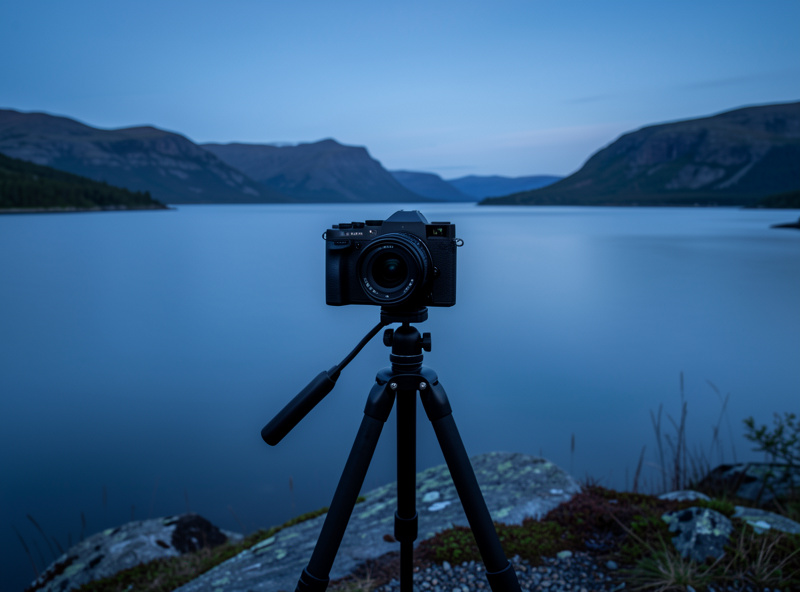
The enthusiast tier is where you stop buying disposable gear and start building a system you’ll keep. Choose the mount whose lens roadmap serves the photography you want to grow into, because the body will be superseded in a few years while the lenses keep drawing beautifully for fifteen. Weather sealing, a sane control layout, and a deep native lens lineup matter more than the marquee sensor number.
Round the kit out with the support gear that genuinely extends what the body can do: a stable tripod for the long blue-hour exposures this tier is built for, and the habit of reading natural light, which improves your photographs more than any body on the market. If your shooting takes you outdoors in real weather, the next thing to understand is sealing — covered fully in my weather-sealed camera guide.
The signal that you’ve outgrown a beginner body isn’t a number — it’s frustration with specific limits. When you’re regularly fighting a slow shutter dial buried in menus, missing shots in bad weather you don’t trust your camera in, or pushing ISO past where your sensor stays clean, those are real ceilings an enthusiast body lifts. If instead your photos are soft or flat, the limit is technique or glass, and a new body won’t fix it.
Be honest about which it is, because buying up to escape a problem that lives in your lens or your habits just relocates the disappointment to a more expensive camera. I’d make the move when you can name the exact feature you keep wishing for — weather sealing for the hikes you actually do, in-body stabilization for the blue-hour frames you keep losing, a second dial for the exposure changes you keep fumbling. When the wish is that specific, the upgrade pays off; when it’s a vague “newer must be better,” it’s gear-acquisition disease talking. And before you commit to a mount at this level, price the two or three lenses you’ll want next on it — the camera lens mount guide walks through that path system by system.
Most enthusiast bodies in 2026 shoot excellent 4K, and for the hybrid shooter who films the occasional clip alongside stills, that’s all you need. The headline video specs — 6K, 10-bit internal, long record times — only matter if video is a primary output, and chasing them pushes you toward bigger files, more heat, and a higher price for capability you’ll mostly leave switched off. Buy for the photographs you actually take, and treat clean 4K as a welcome bonus.
If video does become a real part of your work, the things to scrutinise are rolling shutter, overheating limits, and reliable autofocus in movie mode — and you’ll want fast, high-capacity memory cards to feed it without dropped frames. For a stills-first enthusiast, though, I wouldn’t pay a premium for a spec sheet of video features that sits idle; that money does far more in a lens.
A weather-sealed build, dedicated twin control dials, in-body image stabilization, and a sensor with strong dynamic range. These change how the camera feels and what it can capture far more than megapixels do, and they let you adjust exposure without ever leaving the viewfinder.
Usually not. Flagships are built for fast action under professional deadline, with deep buffers and very high frame rates. Unless you shoot sports or wildlife seriously, that capability sits unused while you pay for it in weight and price. The enthusiast tier keeps everything that touches image quality and skips the rest.
Both make excellent enthusiast cameras. High-resolution APS-C gives reach, lighter lenses, and a smaller kit; entry full-frame gives about a stop more high-ISO headroom and shallower depth of field. Choose by your actual subjects and how much weight you will carry, not by spec-sheet prestige.
On glass, not the body. A mid-tier body with a fast prime and one professional-grade zoom out-shoots a flagship with mediocre lenses on every measure that reaches a print. The gap between a kit zoom and a fast prime is far larger than the gap between two bodies of the same generation.
If you shoot landscape, travel, or anything outdoors, yes. A sealed body and sealed lens together let you keep working in drizzle and dust that would otherwise end a shoot. It is one of the clearest features separating an enthusiast body from an entry-level one.

The best beginner mirrorless camera is the one that’s light enough to carry every day,…
For most buyers in 2026, Canon, Sony, and Nikon all make excellent full-frame mirrorless cameras,…
A weather-sealed camera uses gaskets and seals around its buttons, dials, and lens mount to…
Leave a Reply