Best Enthusiast Camera 2026: Mid-Tier Bodies Worth Buying
The best enthusiast camera in 2026 is a weather-sealed mid-tier body with twin control dials,…
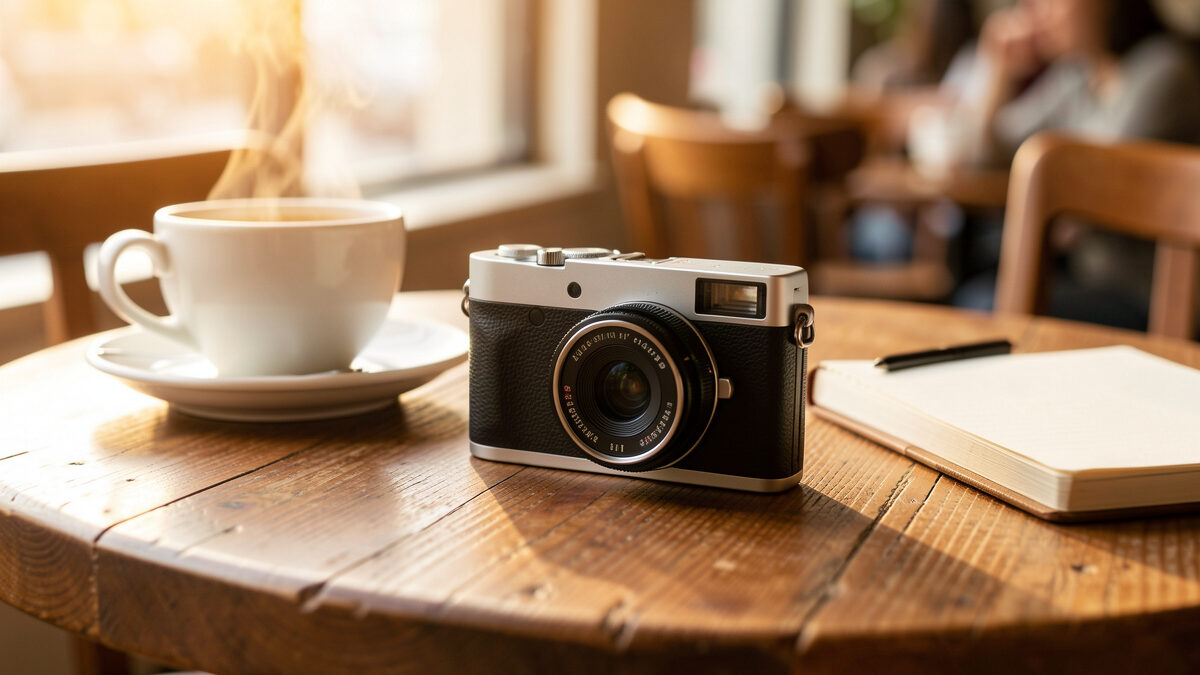
The best beginner mirrorless camera is the one that’s light enough to carry every day, forgiving enough to autofocus while you’re still learning exposure, and mounted on a system whose lenses you can grow into. For almost every beginner that means a current APS-C body with one good prime — not the most expensive box on the shelf — ideally with no more than half your budget on the body and a fast f/1.8 prime taking the rest.
I shoot a 40MP Fujifilm X-T5 and a full-frame Sony a7 IV side by side, and the camera I’d actually hand a friend starting out is neither of those — it’s a simpler, cheaper APS-C body from the same families. The goal for a first camera isn’t capability you can’t yet use; it’s a tool that disappears in your hands fast enough that you start thinking about light and composition instead of menus. That’s the whole game, and most beginner buying advice gets it backwards by leading with specs.
APS-C is the sweet spot for a first camera because it gives you most of the image quality of full-frame in a smaller, cheaper, lighter package — and the lenses are smaller and cheaper too, which is where the real savings live. A beginner with an APS-C body and two affordable primes will outshoot a beginner who blew the whole budget on a full-frame body and could only afford the kit zoom.
Weight matters more than any spec for a beginner, because the best camera is the one you actually bring. A compact APS-C body and a small prime fit in a jacket pocket and come with you on the ordinary days where most good photographs actually happen. The moment a kit feels like a burden, it stays home, and a camera at home takes no pictures. If you’re still weighing the sensor question, I unpack it fully in the full-frame versus APS-C comparison — but for a beginner the answer is almost always APS-C.
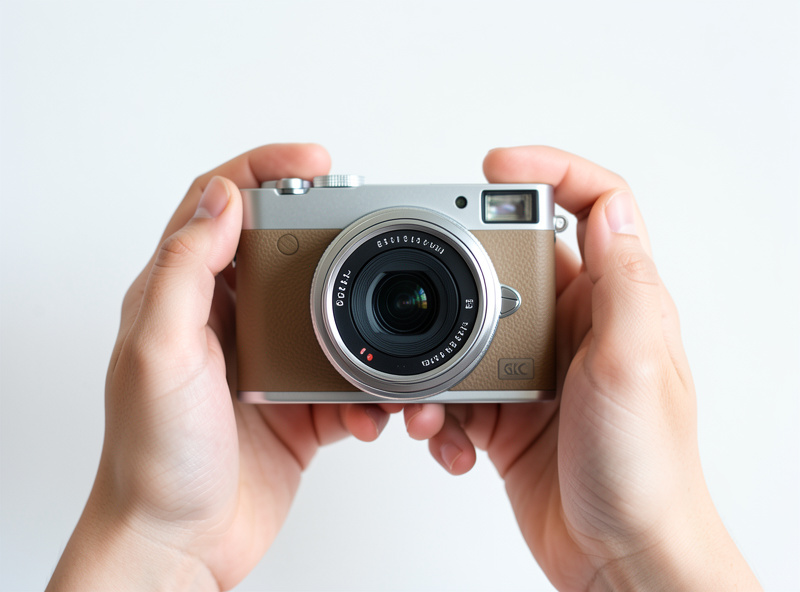
A beginner body needs exactly four things: reliable autofocus with eye detection, a clear and uncluttered menu, a viewfinder or screen you can frame on confidently, and a light body that pairs with affordable lenses. Everything beyond that — high frame rates, deep buffers, 6K video, dual card slots — is capability you’ll grow into years from now, if ever, and you should not pay for it today.
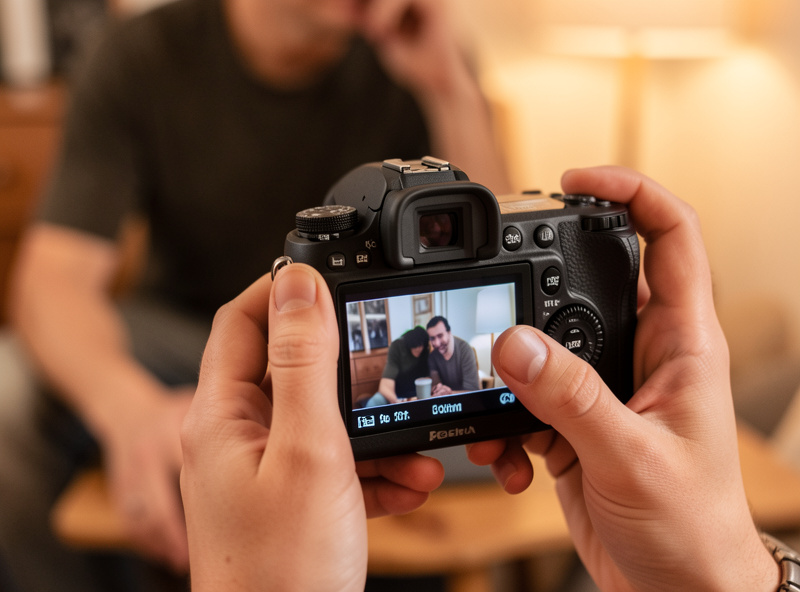
Eye-detection autofocus is the one modern feature genuinely worth having as a beginner, because it removes a whole category of frustration: it locks onto a face and holds focus while you concentrate on everything else. A clean menu matters more than people admit — a camera that buries simple settings under layers of submenus actively slows your learning. And a decent electronic viewfinder shows you the exposure live, before the shutter fires, which teaches the exposure triangle faster than any tutorial. That live preview is the single biggest advantage mirrorless has over the old DSLR way, as I cover in the mirrorless versus DSLR guide.
Here’s the advice that will improve your photographs more than any body choice: don’t keep the kit zoom, buy a single fast prime. A 23mm or 35mm equivalent prime at f/1.8 or faster costs little, weighs nothing, and teaches you to see in a fixed focal length while giving you the subject separation and low-light ability a slow kit zoom never will.
The kit zoom is the wrong thing to learn on. It’s slow, it renders flat, and its flexibility quietly encourages lazy framing — you zoom with your fingers instead of moving your feet. A prime forces you to compose with your whole body, and that constraint is exactly what accelerates a beginner. On my own copies, every prime I own out-draws every kit zoom I’ve ever tested, wide open and stopped down both. My own first kit lens taught me this the slow way: I spent a frustrating first year zooming with my fingers and wondering why my shots looked flat, until a cheap 35mm prime forced me to move my feet and the photographs finally came alive. I make the full case in prime versus zoom lenses, and if you’re unsure which focal length suits you, start with types of camera lenses.
| Priority | Why it matters for a beginner | What to look for |
|---|---|---|
| Weight & size | The camera you carry is the one you learn on | Compact APS-C body, small primes |
| Eye-detection AF | Removes focus frustration on people and pets | Current-generation autofocus |
| Clear menu | Faster learning, less fighting the camera | Simple, logical layout |
| Viewfinder | Live exposure preview teaches the triangle | EVF or bright rear screen |
| Lens ecosystem | Room to grow without switching systems | Affordable native primes |
| Budget split | Glass outlasts and out-resolves the body | One-third body, two-thirds lenses |
A sensible first kit lands at a modest body plus one fast prime, with the body taking no more than half the total. Resist the pull toward the newest, highest-resolution model — a body one or two generations old, bought new or lightly used, leaves money for the lens that actually shapes your images. Spending up to a flagship as a first camera is the most common beginner mistake I see.
The reason is simple: a beginner cannot yet exploit what a flagship offers, so the extra money buys weight, complexity, and features that sit unused while the underfunded kit lens holds the photographs back. Put the saved money into glass and a basic support kit instead. As an Amazon Associate I earn from qualifying purchases. If you want to browse bodies that fit this beginner bracket, current beginner mirrorless cameras and a matched fast 35mm prime are the two purchases that matter most. The wider budget logic lives in my camera body buying guide.
The biggest beginner money-sink is upgrading the body before you’ve outgrown it. A new photographer who blames soft photos on their camera and trades up almost always finds the same softness on the new body — because the limit was technique and the kit lens, not the box. Learn one body and one prime deeply before you change anything; the camera should become invisible first.
The second trap is accessory sprawl — filling a bag with gadgets instead of investing in the two or three things that touch image quality: a sharp lens, a stable tripod, and fast memory cards. The third is never learning to read light, which is free and matters more than any purchase; my guide to natural light is the cheapest upgrade available to any beginner. Once you’ve found your footing here and the camera disappears, the best enthusiast camera guide for 2026 is the natural next step up.
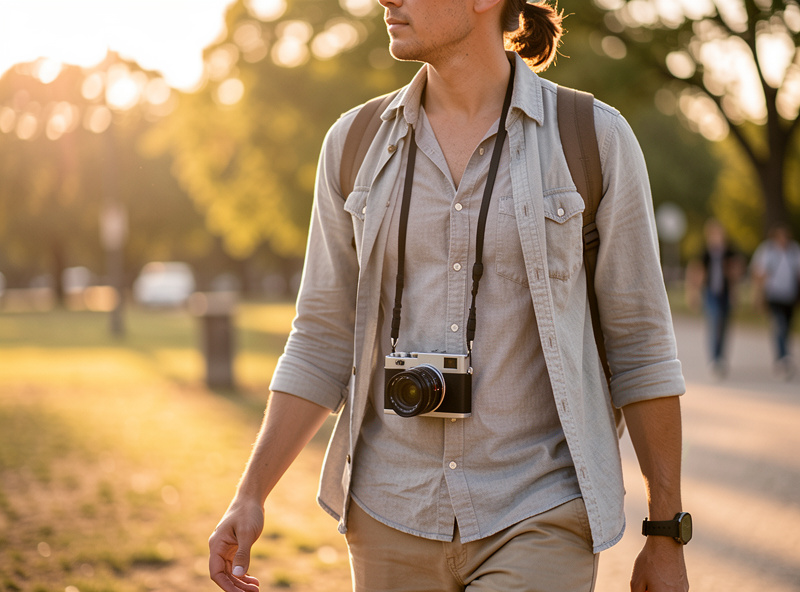
Your first camera isn’t really a body decision — it’s a mount decision, and the mount is a commitment you’ll live with for years. Pick the system whose affordable primes and roadmap suit the photography you want to grow into, because switching mounts later means rebuying every lens. For a beginner I’d weight three things: the price of the first two primes, the size of the small-lens lineup, and how the cameras feel in your hands.
All three major mirrorless makers build excellent beginner-friendly APS-C bodies now, and you genuinely can’t make a bad choice among them — but they differ in menu philosophy, color, and which lenses are cheap. I break the differences down in the Canon versus Sony versus Nikon comparison, and the mount-by-mount lens picture lives in the camera lens mount guide. Hold the contenders in a shop if you can; the one that feels right under your fingers is the one you’ll shoot, and that beats any spec-sheet edge.
A current APS-C mirrorless body paired with one fast prime lens. APS-C is lighter and cheaper than full-frame, and the lenses are smaller too, so a beginner can afford good glass instead of being stuck with a slow kit zoom. Carry-everywhere weight matters more than any spec.
APS-C for almost every beginner. It delivers most of the image quality of full-frame in a smaller, cheaper, lighter package, and the smaller lenses keep the whole kit affordable and portable. Full-frame advantages in low light and depth of field are things most beginners cannot yet use.
It works, but a single fast prime teaches you far faster and renders far better. A 23mm or 35mm equivalent at f/1.8 costs little, weighs almost nothing, and gives you subject separation and low-light ability the slow kit zoom never will. Buy the body and a prime, skip the kit zoom.
Put no more than half the budget on the body and the rest on a good lens. A body one or two generations old, bought new or lightly used, leaves money for the glass that actually shapes your photographs. Avoid spending up to a flagship as a first camera.
It is the one modern feature genuinely worth having. Eye-detection locks onto a face and holds focus while you concentrate on composition and exposure, removing a whole category of beginner frustration with portraits, kids, and pets. Almost every current mirrorless body includes it.
Longer than you think. Most beginners blame soft photos on the camera and upgrade too early, only to find the same results on a new body, because the limit was technique and the kit lens. Learn one body and one prime until the camera feels invisible before changing anything.
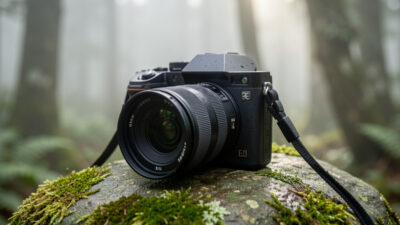
The best enthusiast camera in 2026 is a weather-sealed mid-tier body with twin control dials,…
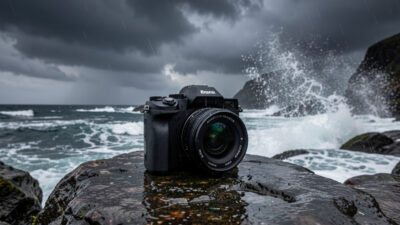
A weather-sealed camera uses gaskets and seals around its buttons, dials, and lens mount to…
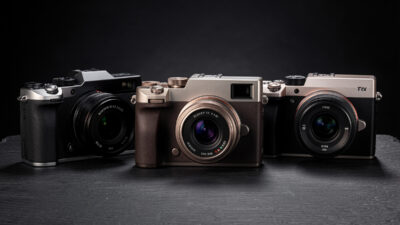
For most buyers in 2026, Canon, Sony, and Nikon all make excellent full-frame mirrorless cameras,…
Leave a Reply