Photography Business Guide: The Six Pillars of Going Pro
A photography business turns a camera kit into income through six moving parts: a legal…

Marketing a photography business is not posting more often on social media. It is building a system where strangers can find you, trust you within seconds, and refer you afterward. For most local photographers the highest-return setup is a fast, search-visible website paired with relentless referral follow-up — because photography is a word-of-mouth trade dressed up in pixels. Speed is the foundation it all rests on: Google’s performance research found that more than half of mobile visitors abandon a site that takes longer than three seconds to load, so a fast site is not a nicety but the thing every other channel points to.
I will be upfront: I am a glass-first photographer, not a marketing professional running paid client funnels, so this is the approach the commercial side consistently reports working, framed by someone who cares about the one place marketing and craft actually meet — the images themselves. The good news is that the most effective channels for a new photography business are also the cheapest, which means your time and your portfolio matter more than any ad budget.
The mistake that keeps new photographers broke is treating marketing as a single activity — usually posting to social media — instead of a connected system. A real system has a place people land (your website), a reason to trust you (your portfolio and reviews), a way to be found (search), and a loop that turns each happy client into the next two (referrals). Posting photos to a feed touches one corner of that and leaves the rest empty.
Think of it the way I think about a kit. A single lens does not make a photographer; a considered set that covers your real working range does. Marketing is the same — no single channel carries the business, but a handful working together compounds. The photography business guide shows how marketing locks together with pricing, niche, and the rest of the pillars.
Social platforms are rented land; your website is the property you own. It is where a referral checks you out, where a search result lands, and where a prospect decides in seconds whether you are the photographer for them. It needs to load fast, show your best work immediately, make your niche obvious, and give a clear next step to book or inquire. Everything else in your marketing exists to drive people here.
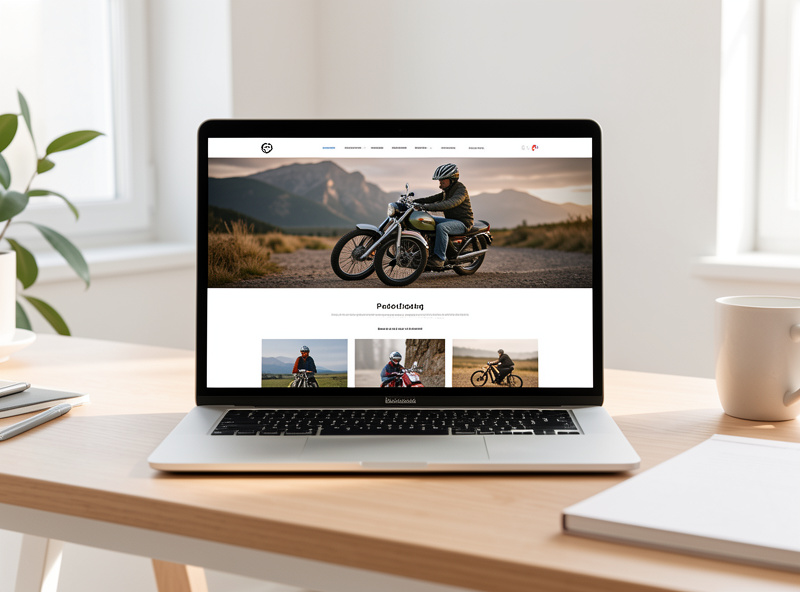
A slow or confusing site quietly kills bookings you never knew you had. A prospect who waits four seconds for images to load, or who cannot tell within one screen what you specialize in, simply leaves — and you never see the loss. Speed and clarity are not aesthetic preferences; they are the difference between a visitor and a client. Make the niche unmistakable and the path to contact you obvious, and the site does its job whether you are shooting or asleep.
Most people looking for a photographer search for one — by city and by niche — and the businesses that show up in those results win bookings without paying for each click. Building that visibility means a website structured around the terms real clients search, genuinely useful content that demonstrates your expertise, and the local signals that tell a search engine you serve a specific area. It is slower than buying ads but it compounds, and it keeps working long after you have stopped actively building it.
Paid ads have their place for filling a specific gap fast, but for a new business they are a leaky bucket — the moment you stop paying, the visibility vanishes. Earned search visibility is an asset that appreciates. The same patience that finds the sharpness peak on an aperture sweep pays off here: the careful, unglamorous middle is where the durable results live.
Nothing you write about yourself sells as hard as the work itself, which is why a tight, focused portfolio outperforms a sprawling one. Fifteen excellent images in a single niche let a prospect picture their own photos clearly; two hundred mixed shots make them admire your range and then hire the specialist down the road. Curation is marketing — every weak image you cut raises the average and sharpens the promise.
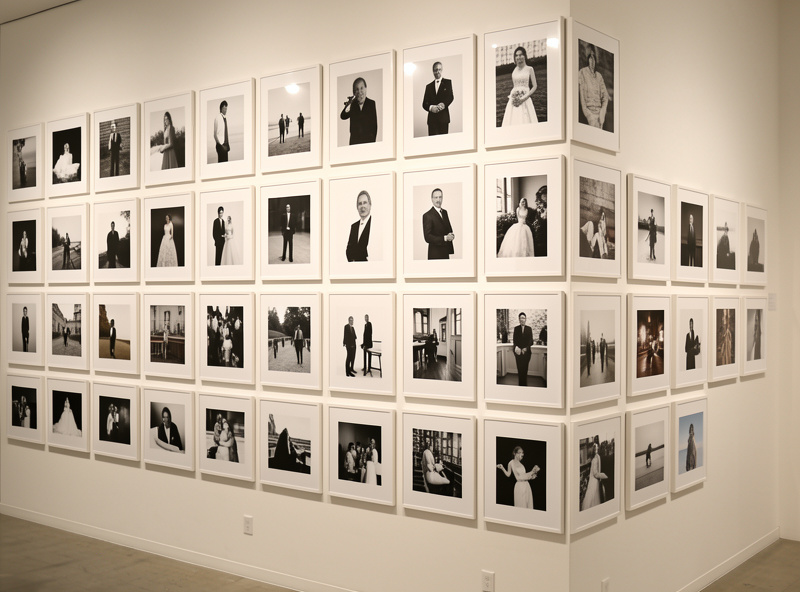
Your portfolio should also match the work you actually want more of. If you love and want to be booked for one kind of shoot, fill the portfolio with that and quietly retire the rest, because clients hire you to repeat what they see. This is where choosing the right niche pays off directly; the photography niche guide explains how a narrow focus makes both your portfolio and your marketing dramatically easier.
Referrals are the highest-trust, lowest-cost clients a photography business gets, and most photographers leave them on the table by never asking. A happy client is never more willing to refer you than in the days right after you deliver images they love. A simple, genuine follow-up — thanking them and making it easy to pass your name along — turns one booking into the next, and that loop is what eventually fills a calendar without cold outreach.
Reviews are referrals that work while you sleep. A short, specific testimonial on your site and in search listings does the trust-building for the next prospect before they ever contact you. Ask for them as a normal part of wrapping up a job, and the social proof accumulates into a marketing engine you barely have to touch. Backing all of this with a clear contract and confident pricing — covered in the pricing guide — means the clients your marketing attracts are also the clients who pay well and refer their friends.
Social media is not useless — it is just misunderstood. Its real job is discovery and personality, not closing the sale. It introduces you to people who have never heard of you and gives existing prospects a sense of who they would be spending a day with. But it should funnel attention back to the website you own, not become the business itself. Treat it as the top of the funnel, keep it pointed at your site, and do not let the algorithm’s appetite pull your whole week into feeding it.
Here is the place my actual expertise touches marketing directly. A marketing image’s only job is to make a viewer feel the look they will get if they hire you — and that look comes from your glass and your light far more than from the subject. A portrait shot on fast glass with clean subject separation reads instantly as professional in a way a flat phone snapshot never will, and that felt difference is what converts a scroller into an inquiry.
So shoot your marketing work with the rendering your niche rewards and edit it to a consistent look, because consistency is itself a signal of reliability. The polish in the photo editing workflow guide is part of your marketing whether you think of it that way or not — a cohesive, well-rendered body of work is the most persuasive advertisement a photographer owns.
New photographers spend almost all their marketing energy chasing strangers and almost none nurturing the people who have already paid them, which is backwards. A past client already trusts you, already knows your work, and is far cheaper to reach than a cold prospect — yet most photographers never contact them again. A simple seasonal note, a reminder that it has been a year since their last session, or an offer that fits their life keeps you top of mind for the moment they need a photographer again or get asked to recommend one.
Keep a basic list of past clients and reach out occasionally with something genuinely useful rather than a constant sales push. The aim is to be the photographer they think of first, because being remembered is most of the battle in a referral-driven trade. This costs nothing but a little attention, and it consistently out-earns the same hours spent shouting into a feed of strangers.
Marketing fails most often not from bad strategy but from no consistent time, so protect one hour a week and spend it deliberately. A practical rotation looks like this: one week, add or refresh a page on your website around a term clients actually search; the next, follow up with recent clients and ask for a review; the next, update your portfolio by cutting a weak image and adding a stronger one; the next, write a short, genuinely helpful post that points back to your site. None of these are dramatic, and that is the point.
Compounding does the heavy lifting. An hour a week, held consistently for a year, builds a searchable site, a growing bank of reviews, a sharpening portfolio, and a warm list of past clients — a marketing system that quietly books work while you shoot. The photographers who struggle are rarely the ones with the worst photos; they are the ones who marketed in frantic bursts and then went silent. Steady beats spectacular here, the same way a careful, repeatable process beats a lucky frame.
Marketing is the pillar that fills the calendar the other pillars depend on, so build it alongside them rather than last. Start with the complete photography business guide for the full picture, lock in the focus from the photography niche guide, set numbers you can defend with the pricing guide, and if you are still at the very start, the guide to starting a photography business puts these pieces in order. Marketing works best when it has a real business behind it to keep its promises.

A photography business turns a camera kit into income through six moving parts: a legal…

A photography contract protects both you and your client by writing down what everyone already…

Good photography pricing starts from your costs, not your competitors. Add up gear depreciation, software,…
Leave a Reply