Photography Business Contracts Guide: Clauses That Protect You
A photography contract protects both you and your client by writing down what everyone already…
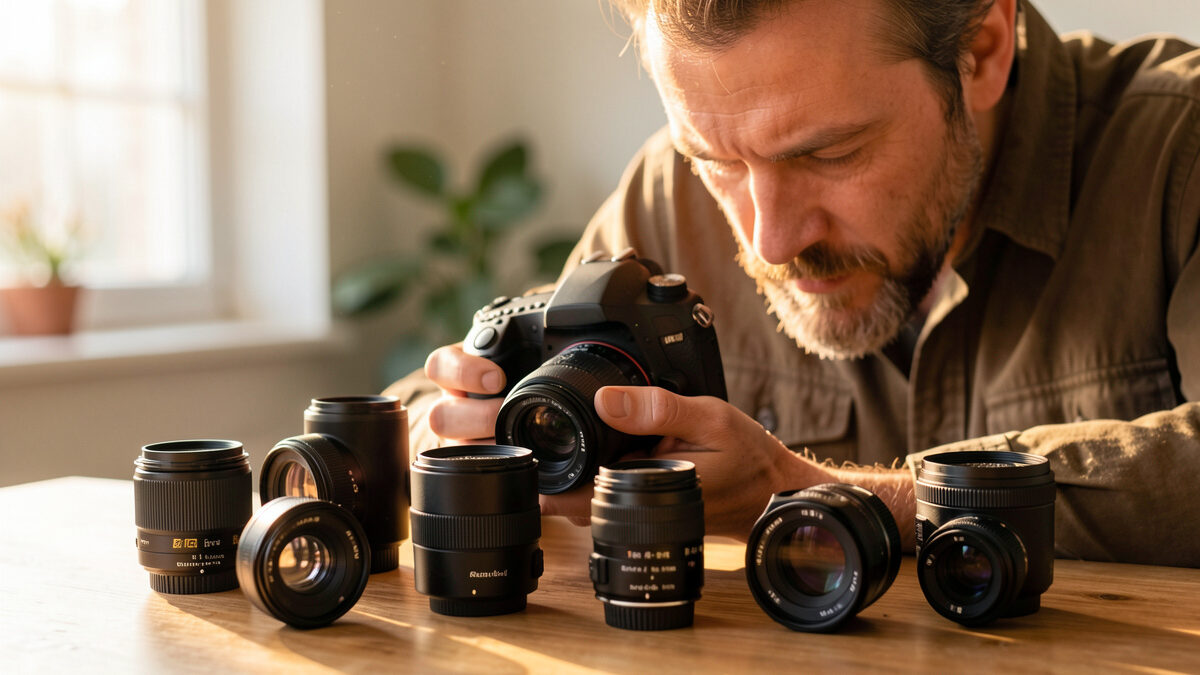
Choosing a photography niche is the highest-leverage decision in building a photography business, because it quietly sets your pricing, your marketing, your gear, and even your contracts at once. The fastest way to choose well is to think like a glass-first shooter: every niche is really a focal-length and rendering problem, so pick the one whose optics you already love and own. It matters more than the gear hype suggests — the majority of working photographers are self-employed, according to the U.S. Bureau of Labor Statistics, so the niche you pick is effectively the small business you are building.
This is the pillar where my actual expertise earns its keep. I am a glass-first photographer who cares more about how a lens draws than about the latest sensor, and that lens points straight at the niche decision — because the difference between portrait work and real-estate work is not mainly the client, it is the focal length, the depth of field, and the way the glass renders a scene. Get the niche right and the gear list, the look, and the pricing all fall into place behind it.
To a prospect, “I shoot everything” reads as “I specialize in nothing.” When someone needs a specific kind of photograph, they want the photographer who clearly does that one thing, not a generalist who might. The generalist also pays a hidden tax: to credibly offer every genre, you need glass for every genre — wide, normal, short telephoto, macro, and long — which is an expensive, unfocused kit that never gets deep in any direction.
A single niche collapses all of that complexity. Your portfolio gets focused, your marketing gets a clear message, your pricing gets a comparable market, and your gear list shrinks to the few focal lengths that niche actually demands. The photography business guide shows how the niche decision feeds every other pillar, which is why it belongs early in the build, not as an afterthought.
Here is the framing no generic business guide will give you. Strip away the marketing labels and each photography niche is defined by a working focal-length range and a rendering style. Portrait work lives in the short-telephoto range with fast glass that separates a subject cleanly from the background. Real estate and interiors demand a sharp ultra-wide with controlled distortion and deep depth of field. Product and food reward a macro and clean, shaped light. Events need a versatile fast zoom and reliable autofocus in bad light.
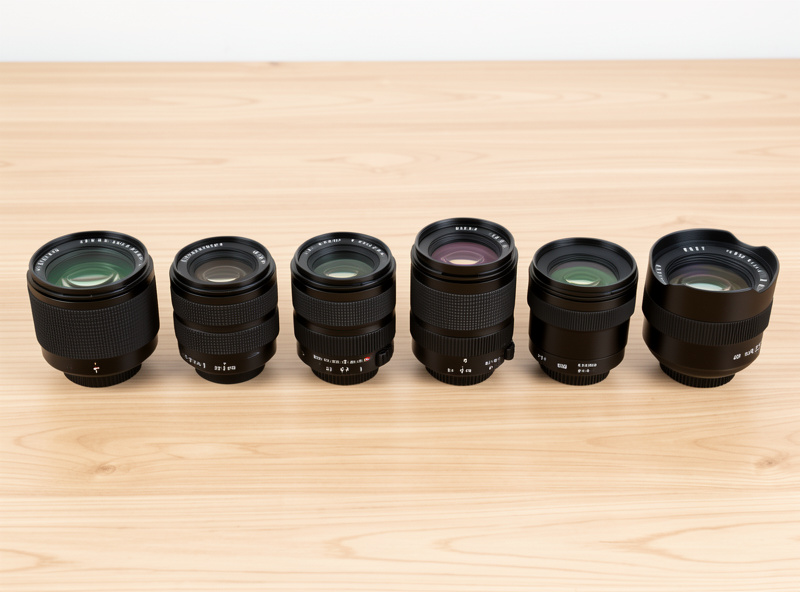
Once you see niches this way, the choice gets concrete instead of vague. Ask which focal lengths you reach for instinctively and which rendering makes your own work feel like yours. A shooter who loves the compression and subject separation of a fast short telephoto is already most of the way to a portrait niche; one who loves a crisp, corner-to-corner wide is built for spaces. You are not picking a market in the abstract — you are picking the glass you want to live behind.
Each niche carries its own gear demand, learning curve, and rough profit character. The table below is a glass-first map — focal lengths and the kind of glass each niche leans on — so you can weigh them against what you already own and love to shoot.
| Niche | Typical focal range | Key glass | Gear demand |
|---|---|---|---|
| Portraits | Short telephoto (85–135mm) | Fast prime for subject separation | Moderate |
| Weddings / events | Wide to telephoto (24–200mm) | Fast zoom plus a backup body | High |
| Real estate | Ultra-wide (14–24mm) | Sharp, low-distortion wide | Moderate |
| Product / food | Normal to macro (50–105mm) | Macro plus controlled light | Moderate |
| Newborn / family | Normal to short tele (35–85mm) | One or two fast primes | Low |
| Wildlife / sports | Long telephoto (300–600mm) | Long, fast-focusing zoom | High |
Read the gear-demand column honestly against your budget and your existing kit. A low-demand niche like newborn or family work can be served beautifully with one or two fast primes you may already own, while wildlife and event work carry real equipment costs and back-up requirements. If reach is your draw, the wildlife photography guide shows what that niche actually asks of a kit; if you love shooting on the move, the travel photography guide covers a niche you can run light.
The temptation is to chase whatever pays most this year, but a niche you do not enjoy shooting is one you will quietly abandon. The more durable approach is to start from the focal lengths and rendering you genuinely love and then find the profitable market that lives there. Passion and profit are not opposites — most focal-length families have a paying niche attached, and the shooter who loves their working range produces better, more consistent work, which is itself what commands higher prices.

This is also where owning your gear becomes a head start rather than a cost. If you already shoot fast short-telephoto glass for fun, a portrait niche costs you almost nothing to enter; if you already own a sharp wide, interiors are within reach. Choosing the niche that matches your existing, beloved glass means you can build a portfolio and start marketing immediately instead of waiting on a gear acquisition. The look in that portfolio — covered in the marketing guide — is a promise made by your lens, so make it a promise you enjoy keeping.
Profit still matters, and some niches are structurally easier to earn from than others. Niches tied to once-in-a-lifetime events or to businesses that need images to sell — weddings, commercial product work, real estate — tend to support higher prices than niches with abundant hobbyist competition. But the highest-paying niche you secretly dread is a worse business than a solid-paying niche you would shoot for free, because burnout ends more photography businesses than low rates do.
Weigh three things together: the gear you own and love, the rendering that makes your work distinctive, and the market that will pay for it where you live. Where those three overlap is your niche. Set your numbers there with the pricing guide, and protect the work with the cover in the equipment insurance guide, since a higher-stakes niche carries higher-stakes risk.
A niche should be narrow enough to be memorable but broad enough to have a market where you live. “Portrait photographer” is a niche; “left-handed accordion players photographed at dawn” is a hobby. The practical test is whether enough people in your area need this specific work to fill a calendar — if yes, narrow is your friend, because it makes you the obvious choice rather than one of many.
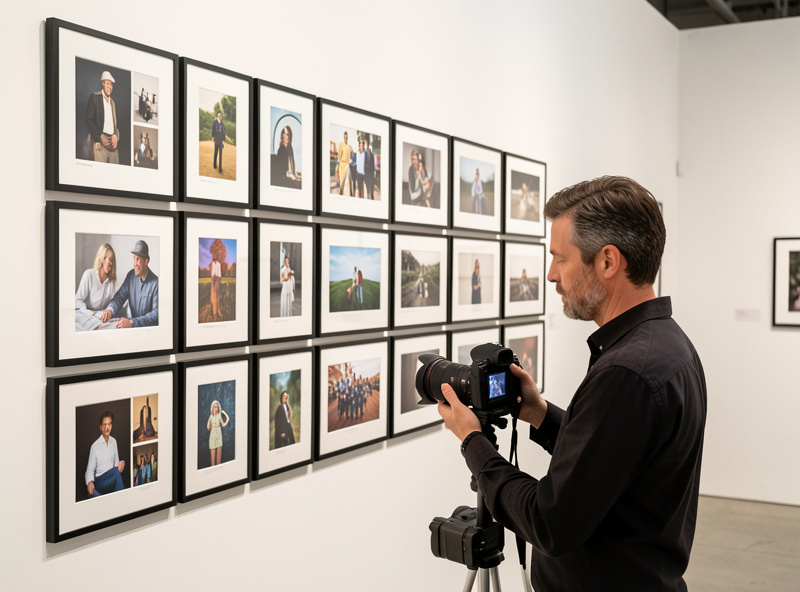
You can also start slightly broader and let the market narrow you. Many photographers begin with an adjacent pair of niches that share glass — say portraits and small-family sessions, which both live around the same focal lengths — and let demand reveal which one to lean into. Because the gear overlaps, you lose nothing by keeping the door open at first, then commit hard once the bookings tell you where your strength and your market actually meet. When you are ready to put the whole plan in order, the guide to starting a photography business sequences the niche decision with everything that follows it.

A photography contract protects both you and your client by writing down what everyone already…

To start a photography business you need four things in order: register it legally, separate…

A photography business turns a camera kit into income through six moving parts: a legal…
Leave a Reply