Graduated ND Filters vs. Bracketing for Bright Skies
Use a graduated ND filter when the horizon is clean and straight — a seascape,…
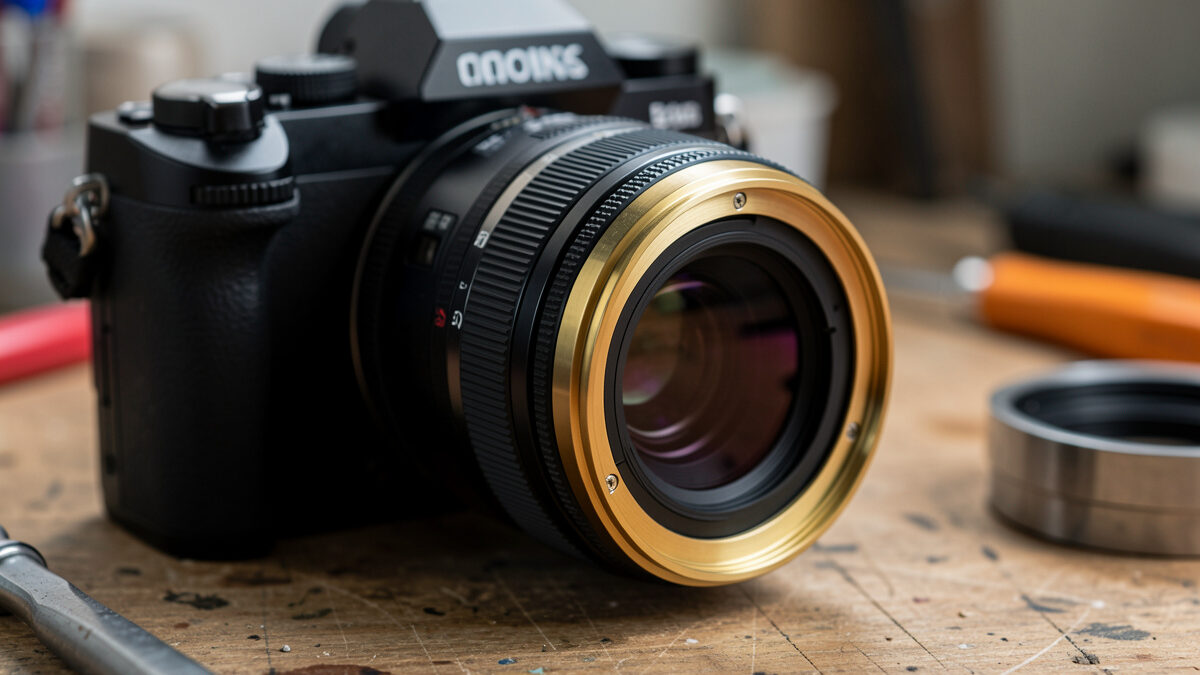
For most photographers on a modern digital camera, you do not need a UV filter for image quality — the sensor stack already blocks ultraviolet light (wavelengths below roughly 380 nm), so a UV filter has no visible effect on the picture. Its only real job is physical protection of the front element, and whether that trade is worth it depends entirely on where you shoot.
This is one of the most argued-about accessories in photography, and the argument is muddied because the answer changed with the technology. On film, a UV filter genuinely cut haze. On my Fujifilm X-T5 and Sony a7 IV it does not — so the only honest question left is whether a permanently-mounted pane of protective glass is worth the flare risk it introduces. Here is how I decide, lens by lens.
On a digital body a UV filter does essentially nothing to the image, because the sensor’s own filter stack already absorbs ultraviolet wavelengths before they reach the photosites. The haze-cutting reason UV filters existed in the film era is gone. What you are left with is a flat, clear (or near-clear) piece of glass whose sole function is to take a scratch, a fingerprint, or a splash of salt water so your actual front element does not.
That is a legitimate function — a front element is expensive and awkward to repair — but notice what it is not: it is not an image-quality upgrade. Any marketing that implies a UV filter makes your photos sharper or clearer on a digital camera is selling the film-era story. I keep clear protectors and UVs in the same mental bucket: sacrificial glass, nothing more.
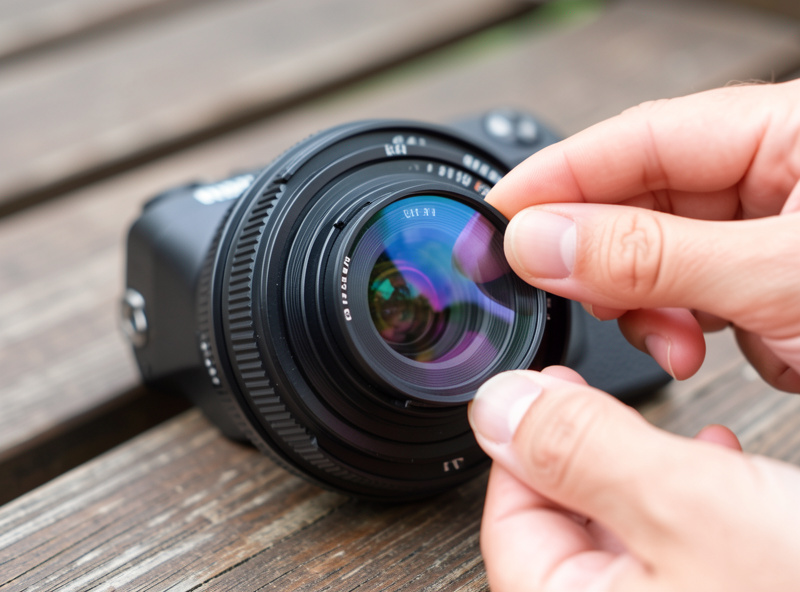
You will see “UV,” “clear protector,” “protection,” and sometimes “haze” filters sold side by side, and on a digital body they do effectively the same nothing to the image while offering the same physical shield. A true UV filter blocks ultraviolet you cannot see anyway; a clear protector does not even pretend to filter anything. Neither changes your digital exposure or color in normal light. Do not pay a premium for “UV” over “clear” on a modern camera — you are buying the frame quality and the coatings, not the letters on the ring.
What actually differentiates one protector from another is build: the number of anti-reflective coating layers, the flatness of the glass, and whether the frame is slim enough to avoid vignetting on a wide lens. Those are the specs worth comparing. The category name on the box is mostly marketing left over from film, when UV absorption genuinely mattered outdoors.
A cheap UV filter does not just sit there harmlessly — it adds two more air-glass surfaces in front of your lens, and those surfaces reflect. Point a fast prime at a backlit scene with a bargain filter attached and you get veiling flare that lifts the shadows and drops micro-contrast, exactly the qualities you paid for in a good lens. On my 40MP body the difference between a bad filter and no filter is obvious the moment a streetlight or the sun sits near the frame edge.
The severity scales with filter quality. A well-made multi-coated filter has anti-reflective coatings on every surface and, in good light, is nearly invisible. An uncoated or single-coated bargain filter is the one that ghosts point-source lights and washes out contrast. So the protection-versus-quality debate is really a protection-versus-cheap-glass debate: if you insist on a protector, it must be a good one, or you are actively degrading the lens you set out to protect.
There are shooting environments where I put a protector on without hesitation, and they all share one trait: something is actively trying to reach the front element. Sea spray on a coastline, blowing sand at a dune or beach, snow and sleet, dusty trails, and any situation with fast-moving debris or curious hands. In those conditions a filter I can wipe with my sleeve and replace for a modest sum is far better than exposing coated front glass to salt and grit.
The logic is risk-based, not habitual. A filter that lives on the lens forever adds flare risk to every frame in exchange for protection I only need on a fraction of my shoots. So I mount protection for the hostile shoot and take it off for the controlled one, rather than treating it as permanent hardware. That single habit — matching the filter to the environment — resolves most of the online argument.
The moment the light gets interesting is the moment the filter should come off. Any backlit scene — sunset into the lens, a subject rimmed by a low sun, streetlights at blue hour — is precisely when that extra air-glass surface throws ghosts and veiling flare. When I am chasing a sunstar or a clean backlit portrait, the protector is the first thing I remove, because the flare it introduces is worse than the scratch it prevents.
I also pull it for maximum-resolution work on a tripod, like a landscape I intend to print large, where I want nothing between the subject and the sensor that I do not strictly need. And crucially, you never stack a UV under an ND or a polarizer — that extra layer only adds vignetting and color-cast risk with zero benefit, which is a mistake I cover in avoiding vignetting and color cast with stacked filters.

The strongest argument for a protector is the one people rarely quantify: how likely is a front-element scratch, and what does it actually cost you? Front elements are more resilient than they feel — the coatings are hard, and a light surface scratch on a large front element is often invisible in the image because it sits far outside the focal plane. I have seen lenses with a hairline mark on the front glass that print indistinguishably from perfect copies. So the disaster you are insuring against is usually a cosmetic hit to resale value, not a ruined image.
That reframes the whole decision as ordinary insurance math. If your gear lives in a bag between careful shoots, the premium — permanent flare risk plus the cost of good glass — is high relative to a low risk of damage. If you shoot working environments where the front element is genuinely exposed to grit and impacts, the premium is cheap relative to the risk. Neither answer is universal, which is exactly why the internet never settles it. Decide from your own shooting reality, not from a forum absolutist.
My rule is that the filter follows the shoot, not the lens. Before I head out I picture the environment: a coastal blue hour with spray gets a good protector on the wide zoom until I am ready to shoot into the light, at which point it comes off. A studio or indoor portrait session gets no protector at all — there is nothing to protect against and everything to lose in contrast on a fast prime shot wide open. A dusty trail or a workshop where I am documenting a welded rig gets the protector on and left on, because sparks and grit are the exact hazard a filter shrugs off.
The fast primes I value most for their rendering — the ones where micro-contrast and clean backlit flare are the whole point — are the lenses I am least willing to permanently cap with extra glass. The slower, more utilitarian zooms that already flare more and that I use in rougher conditions are the ones that wear a protector most of the time. Matching the accessory to how each lens is actually used, rather than applying one blanket policy, is the glass-first way to think about it.
The most underrated protective accessory is the one that came in the box. A lens hood shields the front element from side impacts and knocks, blocks stray light that causes flare, and — unlike a filter — it improves image quality by increasing contrast in difficult light. It does not protect against a direct splash or dust the way a filter does, but for everyday drops and bumps it takes the hit first and costs you nothing optically.
My default outdoor setup is the hood always on, a protector only when the environment demands it. That combination gives me impact protection on every shoot and splash protection when I need it, without a permanent flare tax. If you own exactly one protective habit, make it the hood, not the filter.
A protection filter is only worth owning if it is good enough to disappear. That means multi-coated glass (look for a coating designation, not a bare “UV” stamp), a slim brass or aluminum frame that will not cross-thread or seize on the lens, and optical flatness so it does not add its own softness. A quality multi-coated UV protection filter sized to your lens thread is the only version worth buying — the bargain three-pack is a downgrade in a nice box.
As an Amazon Associate I earn from qualifying purchases.
As with every filter, buy to your largest lens thread and adapt down with step-up rings rather than owning one per lens. And be honest about the math: if you shoot mostly in benign conditions, that money is often better spent on the filters that actually change the image, like a polarizer or an ND. For the full picture of where each filter belongs, start with camera lens filters explained.
No. Modern camera sensors already block ultraviolet light with their own filter stack, so a UV filter has no visible effect on a digital image. On film it cut haze, but that reason is gone. Its only job now is physical protection of the front element.
A cheap, uncoated one can. It adds two air-glass surfaces that reflect light, causing veiling flare and reduced contrast in backlit scenes. A quality multi-coated filter is nearly invisible in good light, but any filter adds some flare risk when a bright light source is near the frame.
For impact and knocks, yes. A lens hood shields the front element from side blows, blocks flare-causing stray light, and improves contrast at no optical cost. A filter is better only for direct splashes, dust, and salt spray. Many photographers use the hood always and add a filter only in harsh conditions.
Not necessarily. Keeping one on permanently adds flare risk to every frame in exchange for protection you may rarely need. A better habit is to mount it for hostile environments like beaches and dusty trails, and remove it for backlit scenes and critical high-resolution work.
Usually not for image quality, and you should remove it before adding a polarizer or ND filter to avoid stacking problems. Keep one handy for coastal spray and blowing sand, but take it off for backlit sunrises and sunsets where flare control matters most.
Use a graduated ND filter when the horizon is clean and straight — a seascape,…
The best circular polarizer is the one that cuts glare and deepens skies without adding…
Buy a variable ND if you shoot video or run-and-gun in changing light and value…
Leave a Reply