How to Calculate Long Exposure Times With an ND Filter
To calculate a long exposure time with an ND filter, meter the scene without the…
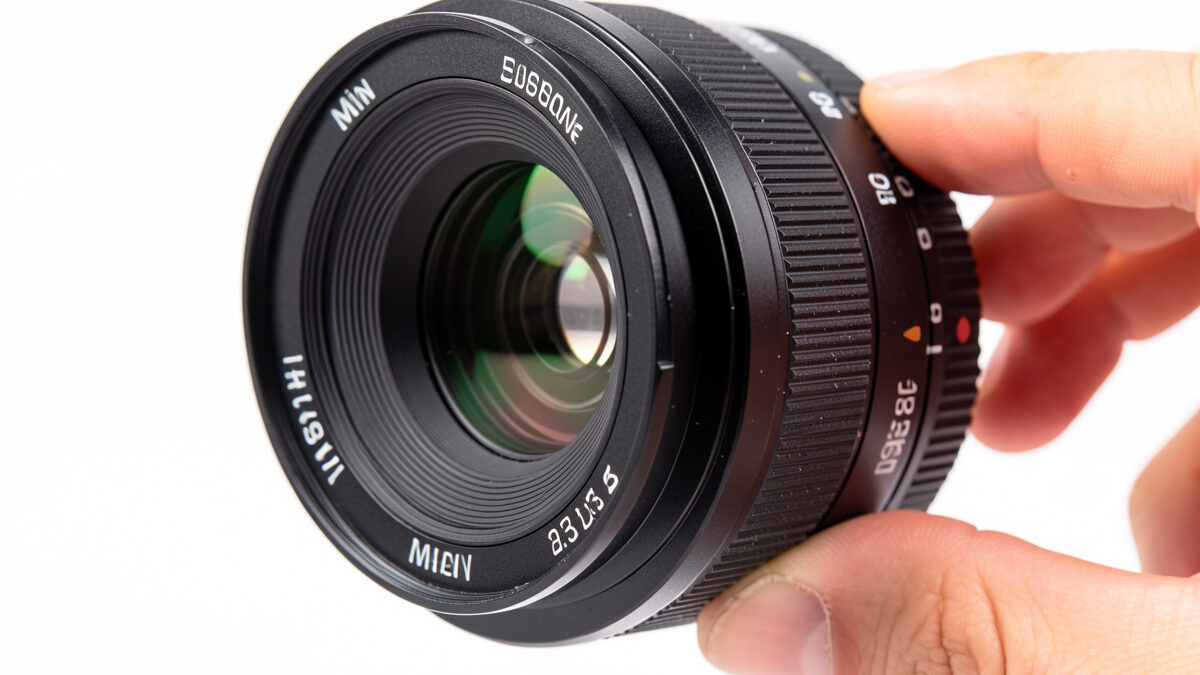
Buy a variable ND if you shoot video or run-and-gun in changing light and value one filter that covers a range; buy fixed NDs if you shoot stills on a tripod and want the cleanest possible image with no risk of the dreaded dark cross. For most stills photographers a small set of fixed NDs wins on pure image quality; for hybrid and video shooters the variable ND wins on speed.
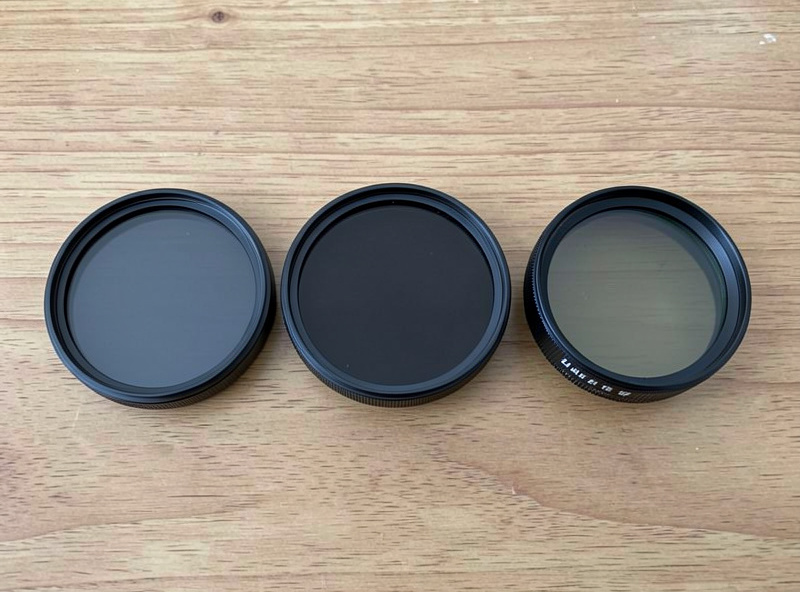
This is one of the few filter decisions where the answer genuinely depends on how you shoot, not just on budget. A variable ND (VND) is two polarizers rotating against each other to dial density on the fly; a fixed ND is a single, dedicated density. Both slow your shutter, but they fail in completely different ways. I run both across my two systems, and here is how I decide which goes on the lens.
A variable ND stacks two polarizing layers and lets you rotate one against the other, which continuously changes how much light passes — typically across a range like two to five or two to eight stops in a single filter. That is the whole appeal: one ring replaces a bag of fixed filters, and you can nudge the density while watching the exposure change live, which is gold for video where the light shifts as clouds move. On a hybrid shoot I can hold a constant shutter angle and just twist the VND instead of swapping glass.
The mechanism is also the weakness. Because it relies on crossed polarizers, a VND inherits polarizer side effects — some light loss, potential color shift, and uneven behavior at the extremes. Push it toward its darkest setting, where the two polarizers approach fully crossed, and you can get an ugly dark X-shaped band across the frame, especially on wide lenses. That cross is the single most important thing to understand before buying one.
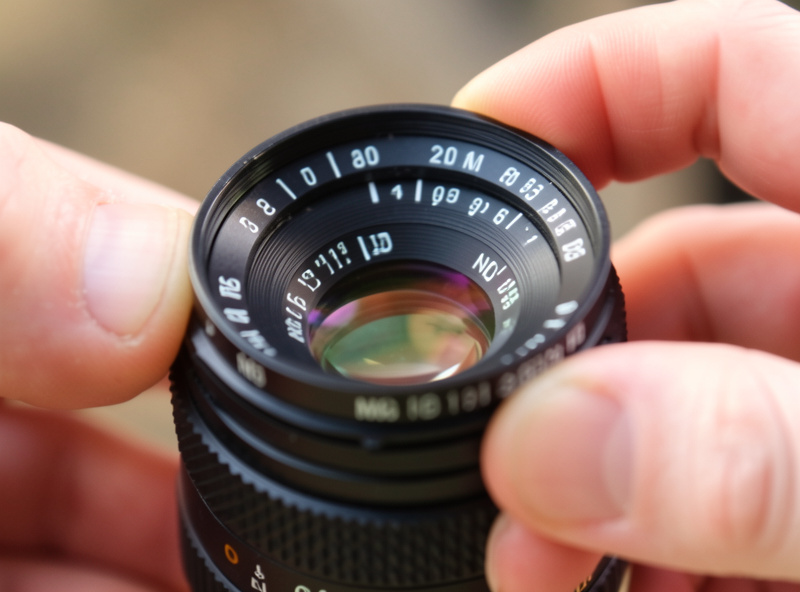
The X-pattern happens when you exceed a VND’s usable range, and cheaper filters cross earlier. A quality VND with a hard-stop mechanism physically prevents you from rotating past the point where the cross appears, which is why the good ones are worth the premium. Even within range, budget VNDs can drift color as you rotate — a warm setting here, a cool one there — so your white balance moves with the density, which is maddening for consistency.
There is also a sharpness cost at the extremes on lesser filters, and the total optical stack is thicker than a single fixed filter, so vignetting on wide lenses is more likely. None of this makes a VND bad — a good one is a superb tool — but it does mean the cheapest VND is a worse buy than a cheap fixed ND, because it stacks two imperfect polarizers instead of one clean piece of glass. If you go variable, buy quality with a hard stop.
A fixed ND is one density of neutral glass and nothing else — no crossed polarizers, no cross pattern, no rotation-dependent color shift. A quality 6-stop or 10-stop fixed filter is simply cleaner, and on my 40MP body that cleanliness shows in the corners and in neutral, predictable color. For tripod-based landscape and seascape work, where I have time to choose and swap the exact strength I want, that optical purity is worth the minor inconvenience of carrying a few filters.
The predictability is the underrated part. I know precisely what a 6-stop does to my exposure and my color, every time, so the math is instant and the result is repeatable frame to frame. Fixed NDs come in the standard 3, 6, and 10-stop strengths that cover most needs — the ladder I lay out in the ND filter stops guide. For stills shooters building a first kit, that set beats a single VND on image quality every time.
| Factor | Variable ND | Fixed ND |
|---|---|---|
| Image quality | Good, drops at extremes | Best — single clean element |
| Convenience | Excellent — one filter, live adjust | Lower — carry and swap several |
| Dark cross risk | Yes, past usable range | None |
| Color consistency | Can shift with rotation | Consistent per filter |
| Best use | Video, run-and-gun, changing light | Tripod stills, landscape, seascape |
| Value at low price | Poor — stacks two polarizers | Better — one element |
Picture two typical days. On the first I am on a headland at golden hour with the camera locked on the tripod, shooting a series of eight-to-twenty-second seascapes as the light drops. I meter, pick a 10-stop, and every frame is clean and color-consistent, which matters because I will blend or sequence them later. A variable ND would have added a risk of the cross on my wide lens and a color drift between frames as the light forced me to re-dial density — exactly the wrong tool for a deliberate, repeatable sequence.
On the second day I am following a workshop build handheld, grabbing both stills and short video clips as the sun ducks in and out of cloud. Here the variable ND is the hero: I hold a constant shutter for the video, twist the ring to keep exposure steady as the light swings two stops in seconds, and never break the flow to unscrew a filter. The same shooter, the same filters, opposite conclusions — because the shooting mode, not the gear brochure, decides the winner. That is why I stopped looking for a single right answer and started matching the filter to the day.
The most common mistake is treating a variable ND as a money-saver — “why buy three fixed filters when one variable does it all?” — and then buying the cheapest one. A bargain VND stacks two mediocre polarizers, so it crosses early, drifts color badly through its range, and softens noticeably at the dense end, which means you paid once to get problems a set of cheap fixed filters would not have. The variable ND is the filter where spending up matters most, because the mechanism is inherently more demanding than a single sheet of neutral glass.
If your budget is tight and your shooting is mixed, the honest move is to buy in the direction you shoot most and accept a gap. A stills-heavy shooter should get one excellent fixed 6-stop and wait on the rest rather than blow the budget on a poor variable. A video-heavy shooter should get one quality hard-stop variable and skip the fixed set for now. Trying to cover every base cheaply leaves you with glass you do not trust in either mode, which defeats the point of owning filters at all.
If your work is mostly video or hybrid — documenting a process, shooting handheld in shifting light, keeping a cinematic shutter angle while the exposure changes — the VND’s live adjustability saves real time and a good one gives image quality you will be happy with. If your work is deliberate tripod stills where you meter, choose a strength, and expose carefully, fixed NDs give you the cleanest files and zero cross risk. Many photographers, myself included, end up owning both: a quality VND for video and grab shots, a set of fixed NDs for serious landscape work.
Budget changes the calculus too. With limited money, a single fixed 6-stop plus a cheap variable is not as useful as two good fixed filters, because the cheap VND will disappoint at its extremes. Spend on quality in whichever direction your shooting leans rather than buying one of each poorly. And remember the thread strategy that applies to all filters: buy to your largest lens diameter and adapt down with step-up rings, which the filters hub explains in full.

For a stills-first shooter, start with a fixed 6-stop, add a 10-stop, then a 3-stop — that order matches how often you will use each. For a video-first or hybrid shooter, start with one quality hard-stop variable ND covering roughly two to five stops, which handles most daylight video without ever approaching the cross. A well-made hard-stop variable ND filter or a dedicated fixed ND filter set is worth far more than a bargain version of either.
As an Amazon Associate I earn from qualifying purchases.
Whichever you choose, the tripod discipline in my tripod guide still applies for the slow shutters these filters enable, and any residual color shift is manageable in color grading. If you also shoot graduated skies, neither type positions a transition — that is a job for the systems in graduated ND vs bracketing.
Neither is universally better. A fixed ND gives the cleanest image with no dark cross, which suits tripod stills and landscape work. A variable ND covers a range in one filter and adjusts live, which suits video and run-and-gun shooting in changing light. Choose based on how you shoot.
It is an uneven X-shaped dark band that appears when you rotate a variable ND past its usable range, where its two internal polarizers approach fully crossed. It is worst on wide lenses. Quality variable NDs use a hard stop to physically prevent rotating into the cross.
A good one has minimal impact within its usable range. Cheaper variable NDs can shift color as you rotate, soften the image at the extremes, and vignette on wide lenses because they stack two polarizing elements. A quality hard-stop model avoids most of this.
A stills beginner is usually better served by a single quality fixed 6-stop ND, which is clean, predictable, and cheap to learn on. A beginner shooting mostly video benefits more from one good hard-stop variable ND that adjusts to changing light without swapping filters.
Up to a point. Most variable NDs top out around 5 to 8 stops, which handles daytime blur but not 30-second seascapes. For strong long exposures a fixed 10-stop is cleaner and avoids the color and cross problems that appear near a variable ND’s dense end.
To calculate a long exposure time with an ND filter, meter the scene without the…
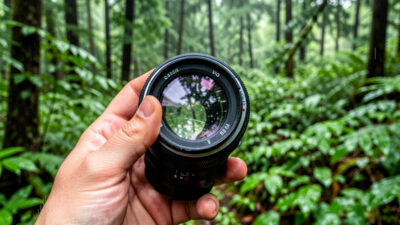
The best circular polarizer is the one that cuts glare and deepens skies without adding…
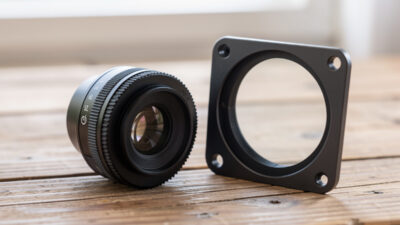
Screw-in filters win for most photographers: they are compact, sealed, cheaper to start, and perfect…
Leave a Reply