ND Filter Guide: How Many Stops You Actually Need
For most photographers the honest answer is three ND filters: a 3-stop for wide-aperture work…
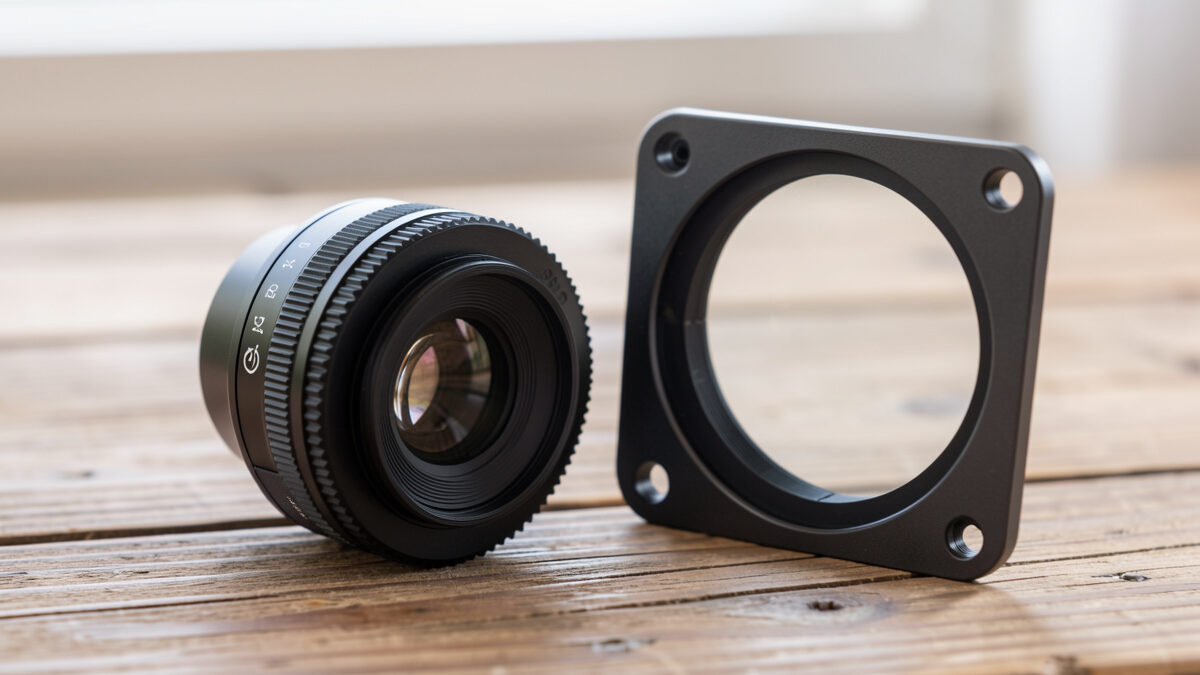
Screw-in filters win for most photographers: they are compact, sealed, cheaper to start, and perfect for a single polarizer or ND on a walkaround kit. Square holder systems win the moment you need graduated filters or want to stack several filters cleanly, which is why serious landscape shooters own them. The right answer is not one or the other — it is knowing which job you are actually buying a filter to do.
This is the filter decision that costs the most to get wrong, because a square system is a real investment in a holder, adapter rings, and large rectangular filters. I run screw-in filters for travel and everyday shooting and a square system for deliberate landscape work, and here is exactly where each earns its place and where each falls apart.
A screw-in filter threads directly onto the front of the lens using the filter thread printed on the barrel — 67mm, 77mm, 82mm and so on. It sits flush, seals against dust and moisture, adds almost no bulk, and for a polarizer or a single fixed ND it is the most elegant solution there is. You can rotate a screw-in polarizer or variable ND in place, and the whole thing tucks into a pocket-sized wallet. For anyone shooting one filter at a time, this is the setup, full stop.
The limitation is structural: a screw-in filter is fixed in position, centered on the lens axis. That is fine for filters whose effect is uniform across the frame — a plain ND, a polarizer — but it makes a graduated filter almost useless, because you cannot slide the transition to line up with a horizon that is rarely dead-center. Stacking screw-in filters is also clumsy: each one threads onto the last, pushing the front element assembly forward and inviting vignetting on wide lenses.
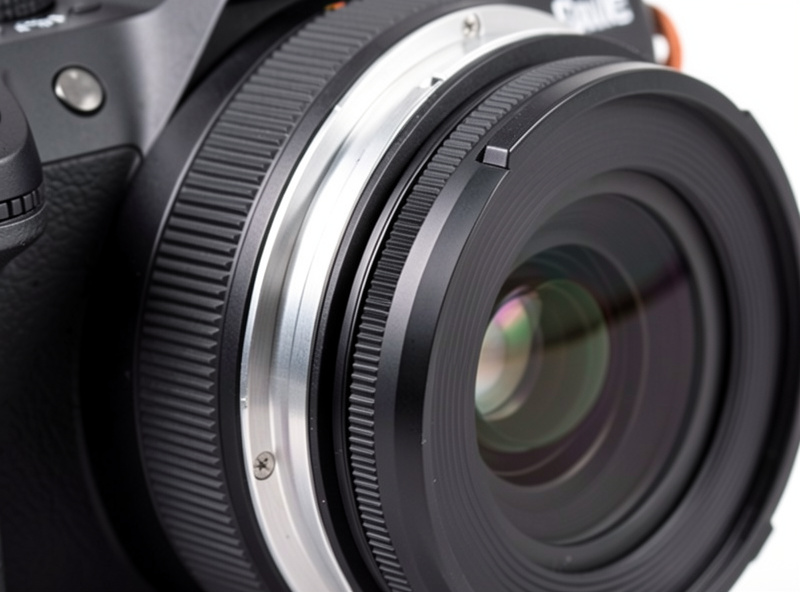
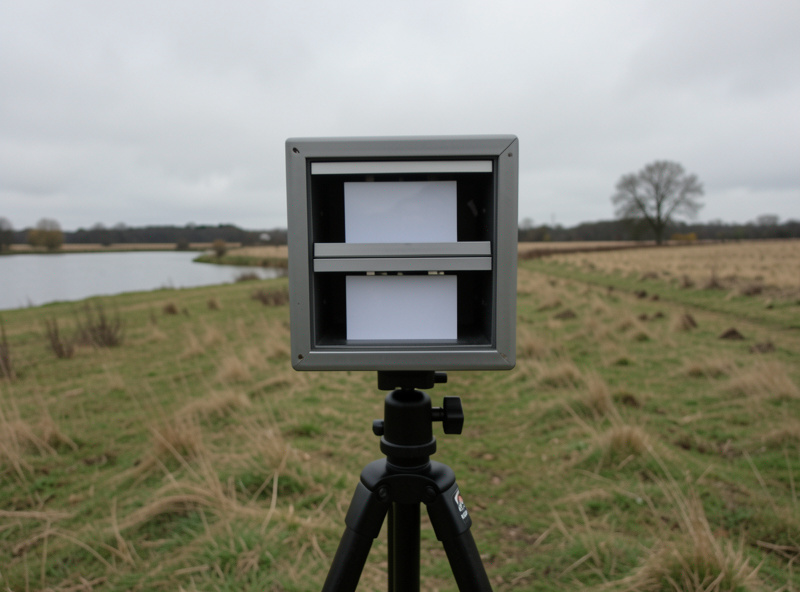
A square (or rectangular) filter system replaces the thread with a bracket. An adapter ring screws onto your lens, the holder clips to that ring, and you drop 100mm or 150mm filters into slots in the holder. Because the filters sit in slots rather than threading on, you can slide a graduated ND up and down to place its transition exactly on the horizon, rotate the whole holder to angle a grad, and stack two or three filters in parallel slots without them physically screwing into each other. That flexibility is the entire reason the system exists.
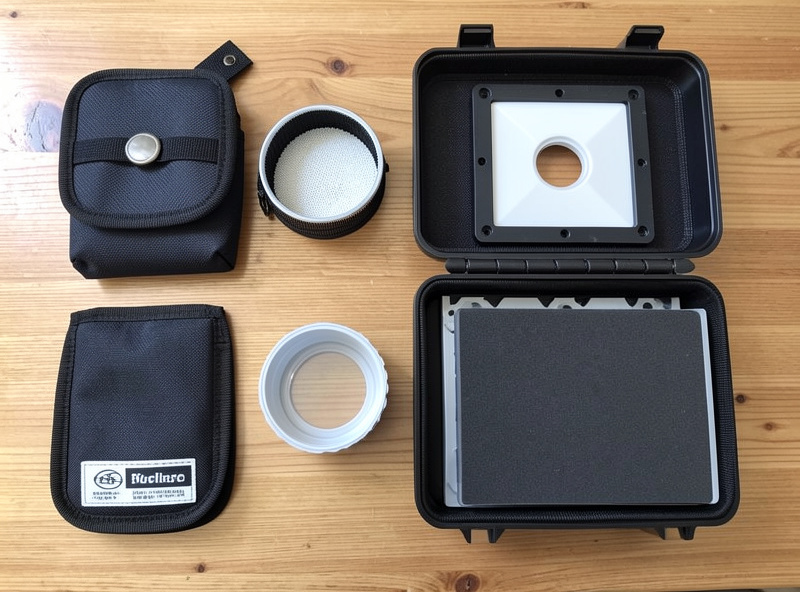
The 100mm size covers most wide-to-normal lenses; the larger 150mm systems exist for ultra-wide lenses with bulbous front elements that cannot take a normal thread at all. A polarizer usually mounts in a dedicated slot or as a ring behind the holder so you can still rotate it independently. The whole assembly is bulkier, pricier, and slower to set up than a screw-in filter, but for combining a grad, an ND, and a polarizer it is in a different league of capability.
| Factor | Screw-in | Square system |
|---|---|---|
| Size and weight | Minimal, pocketable | Bulky holder and large filters |
| Cost to start | Low — one filter | High — holder, rings, filters |
| Graduated filters | Not practical | Yes — slide to position |
| Stacking filters | Clumsy, vignette-prone | Clean, parallel slots |
| Sealing against weather | Excellent, flush | Gaps unless gasketed |
| Fits many lenses | Needs matching thread or ring | One kit via adapter rings |
| Best for | Travel, one-filter shooting | Serious landscape, grads, stacks |
The part that confuses newcomers to square systems is the ring stack, so it is worth spelling out. Your lens has a thread diameter; the holder is a universal size. Bridging them is an adapter ring specific to each thread — a 77mm ring for your 77mm lens, an 82mm ring for your 82mm lens, and so on. The holder itself clips onto whichever ring is mounted, so one holder and one set of large filters serve every lens once you own the matching ring for each. Rings are cheap, which is what makes the one-kit argument work.
The practical upshot is that you buy the holder and the expensive rectangular filters once, then spend a few dollars per lens on rings. Contrast that with screw-in filters, where a different thread diameter means buying a whole new filter (or juggling step-up rings that can themselves cause vignetting). For a photographer with one or two lenses the ring overhead is not worth it; for someone running four or five lenses across a landscape kit, it quietly becomes the cheaper and tidier path. Knowing your lens threads and mounts is the first step to sizing any of this correctly.
Both setups can dark-corner a wide lens, for different reasons. Stacking screw-in filters extends the ring stack forward until it clips the corners; a deep square holder with multiple slots does the same by physically sitting in the light path on an ultra-wide. The fix on screw-in is slim filters and not stacking; the fix on square is using fewer slots and a low-profile holder, or stepping up to a 150mm system on the widest lenses. On my wide zoom I watch the corners carefully with either system, because the widest focal lengths are the least forgiving.
This is where matching the system to your widest lens matters more than to your longest. A 24mm-equivalent or wider frame is where holders and stacks show their limits, so if your landscape work lives at the wide end, factor the holder depth and filter size into the buying decision from the start. The full mechanics of stack-induced vignetting and how to avoid it are in avoiding vignetting and color cast with stacked filters.
Screw-in wins decisively on cost and portability for a small filter set. If you own a polarizer and an ND and shoot one at a time, screw-in filters plus step-up rings cover your whole kit for a fraction of a square system’s price and add almost nothing to your bag. For travel, where weight and speed matter and clean horizons are not always the goal, that compactness is worth more than the flexibility you would rarely use — a point I make in my travel lenses guide and camera bag packing guide.
The square system’s hidden advantage is the one-kit argument: once you own the holder and large filters, a cheap adapter ring adapts the whole set to any lens, so you are not buying a new filter every time you buy a lens with a different thread. For a growing landscape kit with several lenses, that can actually be more economical over time than a drawer of screw-in filters in mismatched sizes. It is bulk and upfront cost traded for long-run flexibility across a system.
One advantage that rarely makes the spec sheets is how each system behaves in bad weather, which is where I do a lot of my best landscape work. A screw-in filter sits flush and sealed, so blowing rain and sea spray have nowhere to get in and the front is a single flat surface I can wipe in one pass. A square holder, by contrast, has gaps around the slots where spray can reach the rear of the filters and the front element, and a rectangular filter presents more surface for droplets and wind vibration. In a gale on a headland, the screw-in setup is simply less to manage.
Field speed cuts the same way. A screw-in polarizer is on and rotated in seconds; a square system means mounting a ring, clipping the holder, sliding filters, and positioning a grad, all while the light you drove out for is changing. That setup time is fine when you have planned the shot and arrived early, and maddening when the light breaks unexpectedly. I keep a screw-in polarizer and ND on hand precisely for those grab moments, and reserve the square rig for shots I have scouted and have time to build. Matching the system to the pace of the shoot matters as much as matching it to the subject — the same thinking behind choosing weather-sealed bodies for the field.
For almost everyone, the smart sequence is screw-in first, square later, and only if a specific need appears. Start with a quality screw-in polarizer and a fixed ND or two on your most-used lens thread, learn how filters actually change your shooting, and let real limitations — not marketing — tell you when to move up. The clearest signal is the graduated ND: the day you keep wishing you could slide a dark band onto a horizon is the day a square system pays for itself, and not a moment before.
When you do upgrade, buy into the widest, most future-proof size your lenses need rather than the cheapest holder, because migrating systems twice is the real money pit. Size the holder to your widest lens, buy neutral glass or good resin grads, and get the adapter rings for every lens in one go so the kit is actually usable across your bag. Done once, correctly, a square system lasts for years and across body upgrades, because filters outlive cameras — the same glass-first logic that says spend on lenses and light, not on chasing the newest sensor.
Choose screw-in if you shoot mostly one filter at a time, prioritize a light and weather-sealed kit, travel often, or are just starting out and want the highest image quality per dollar. A single quality screw-in ND and polarizer kit is the right first purchase for the overwhelming majority of photographers. Choose square if you shoot serious landscapes with graduated skies, routinely stack a grad over an ND and a polarizer, or run ultra-wide lenses that cannot take a normal thread — there, a 100mm square filter holder system is the tool.
As an Amazon Associate I earn from qualifying purchases.
Plenty of shooters, myself included, run both: screw-in filters for travel and grab shots, a square system reserved for planned landscape outings where grads and stacks are the point. Start with screw-in, and only graduate to a square system once you have hit its limits — specifically, once you find yourself wanting a graduated ND, which is the exact moment the square system justifies itself. Both slot into the wider filter strategy mapped in the filters hub.
If you are weighing filter systems, the graduated-versus-bracketing question in graduated ND filters vs bracketing often decides whether you even need a square holder, and the ND stops guide covers the strengths you would drop into one. For the polarizer that mounts in either system, see best circular polarizer filters, and for the tripod every square-system landscape needs, my tripod guide covers the support side. The camera lens filters explained hub ties the whole system together.
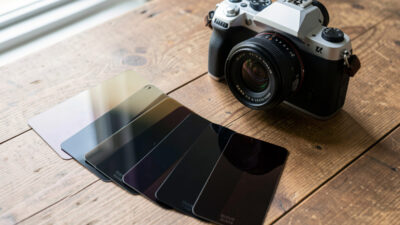
For most photographers the honest answer is three ND filters: a 3-stop for wide-aperture work…
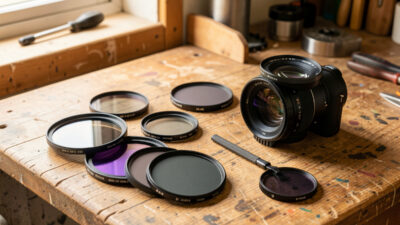
Camera lens filters come down to three that actually earn a slot in the bag:…
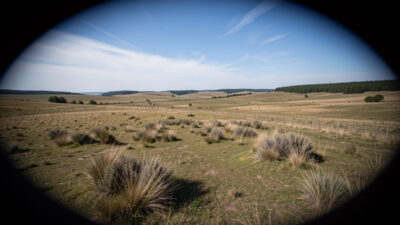
To avoid vignetting and color cast when stacking filters, use slim-profile filters, step up to…
Leave a Reply