Essential Camera Accessories: The Gear That Actually Improves Your Photography
The camera body you shoot matters less than the accessories you use with it. A…
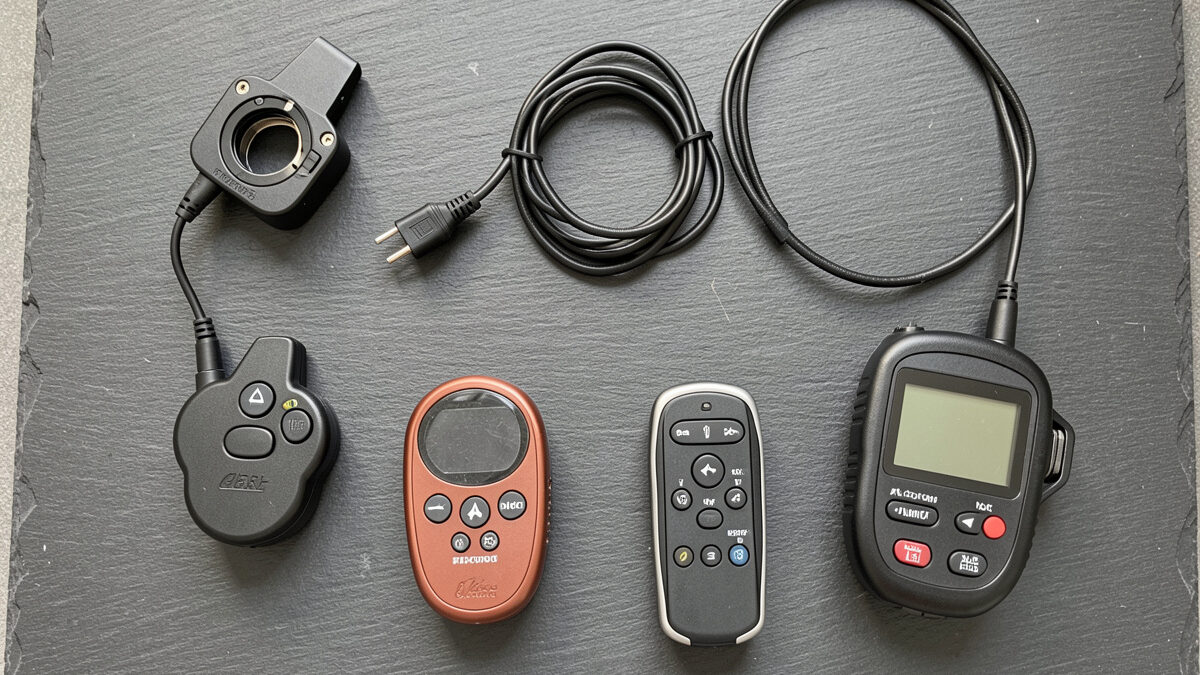
For long exposure work you need a shutter trigger that keeps your hand off the camera and can hold the bulb shutter open for minutes: a simple wired release covers most daytime long exposures, while a programmable intervalometer is the tool once you shoot multi-minute or timed sequences. The right one depends entirely on whether your exposures ever run past your camera’s 30-second limit. Below that, almost anything works; above it, you need something that can time bulb frames.
I trigger every long exposure on my Fujifilm X-T5 and Sony a7 IV without touching the camera, because on a 40MP sensor even the jab of a finger on the shutter smears the start of the frame. Over the years I’ve used wired releases, wireless remotes, dedicated intervalometers, and the manufacturers’ phone apps — each earns its place in a different situation. Here’s how they actually compare and which I reach for when.
Yes, for anything but the shortest frames. A remote release removes the vibration your finger introduces at the moment of release, which is one of the four classic causes of a soft long exposure, and for any exposure beyond your camera’s timed 30-second maximum a release is the only practical way to hold the bulb shutter open. Even at 8 seconds the finger jab can blur the first fraction of the frame.
There’s a free stopgap: the self-timer. A two-second self-timer removes your hand from the shutter and works fine for timed exposures up to 30 seconds, so if you only ever shoot silky water at a few seconds you can start there. But the self-timer can’t hold bulb, so the moment you want a 60-second cloud streak or a two-minute crowd-clearing frame, you need a real release. I keep a 2-second timer as backup and a proper release as my default. If soft frames are your actual problem, the release is only part of the fix — the full diagnostic is in why your long exposures are soft.
There are four practical categories: wired cable releases, wireless remotes, programmable intervalometers, and the manufacturer’s smartphone app. They climb in capability and price from a simple button on a cord to a computer that fires timed sequences. Matching the tool to how long and how automated your exposures are is the whole decision.
| Type | Holds bulb? | Timed sequences? | Best for |
| Self-timer (built in) | No | No | Free backup, up to 30 s frames |
| Wired cable release | Yes (lock button) | No | Most daytime long exposure |
| Wireless remote | Usually | No | Group shots, avoiding cable snag |
| Programmable intervalometer | Yes | Yes | Multi-minute frames, time-lapse |
| Phone app | Often | Sometimes | Live view + trigger, no extra gear |
The honest summary: a wired release with a lock is enough for 90 percent of long-exposure shooting, and a programmable intervalometer is the upgrade you buy when you start shooting frames longer than 30 seconds or want automated time-lapse sequences. I’ll walk each one.
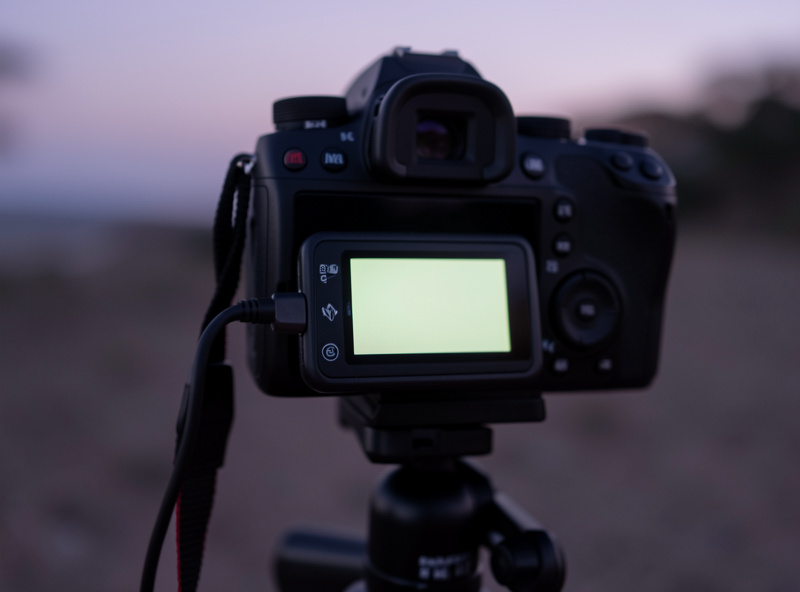
A wired cable release is enough for the vast majority of daytime long exposures, because it does the two things that matter — triggers without shake and locks the shutter open in bulb mode — for very little money. You press the button to fire, and slide the lock to hold bulb for as long as you like, timing it yourself with a watch or phone. Simple, reliable, nothing to charge.
This is what I actually use most days on the coast. The manufacturer’s own wired release for your mount is the safe buy — on my Fuji bodies I use the plug-in wired release designed for them — but inexpensive third-party cables work identically for a fraction of the price, and I keep a spare because they’re cheap and the cheap ones fail eventually. The one downside is the cable itself, which can catch the wind and transmit a little movement, so I let it hang slack rather than taut. For someone starting daytime long exposure, a wired release is the first accessory I’d buy after the tripod and filters. You can find a basic wired shutter release with a bulb lock for your specific mount cheaply. This whole platform-and-trigger discipline runs through the daytime long exposure guide.
As an Amazon Associate I earn from qualifying purchases.
You need a programmable intervalometer once you regularly shoot exposures longer than 30 seconds or want to automate timed sequences for time-lapse. It’s a small unit with an LCD that lets you set an exact bulb duration — say precisely 4 minutes 30 seconds — and fire it hands-free, plus program a series of frames at set intervals. It replaces counting minutes on your phone with an exact, repeatable timer.
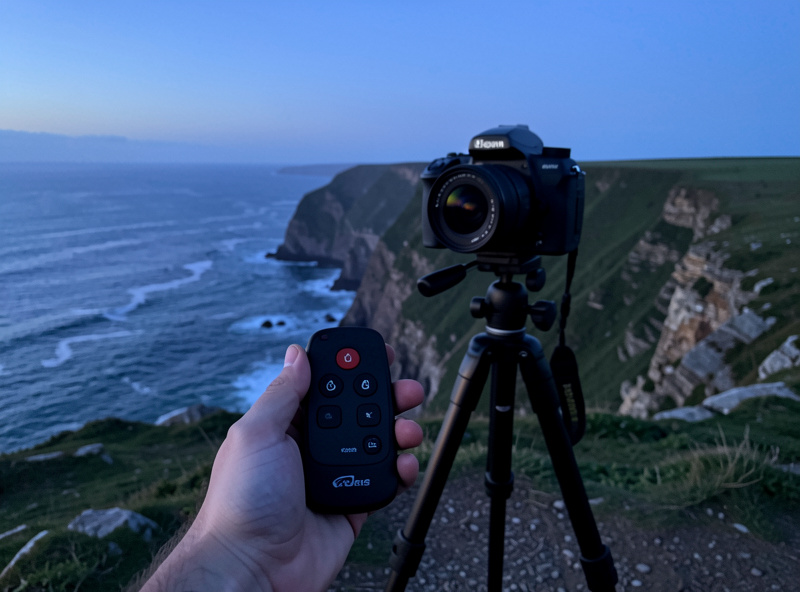
This is my tool for cloud work and crowd-clearing, where frames run two to four minutes and I want the exact same duration frame after frame to compare results. Setting a precise bulb time on the intervalometer beats holding a cable-release lock and watching a stopwatch, and the repeatability matters when I’m dialing in a look. It’s also what you need for daytime-to-night time-lapse. Both dedicated hardware units and the increasingly capable phone apps do this; I keep a hardware intervalometer because it doesn’t drain my phone battery in the cold and it doesn’t drop the connection. The exposure math you’ll be dialing into it — how to arrive at that 4-minute-30 figure — is in the ND calculation guide. You can compare programmable intervalometers across mounts before committing.
Wireless remotes and phone apps are worth it in specific situations rather than as a default: wireless when a cable would snag or when you’re stepping into the frame, and the app when you want live-view composition and triggering without carrying extra hardware. Neither replaces a wired release or intervalometer for reliability, but each solves a real problem the wired option can’t.
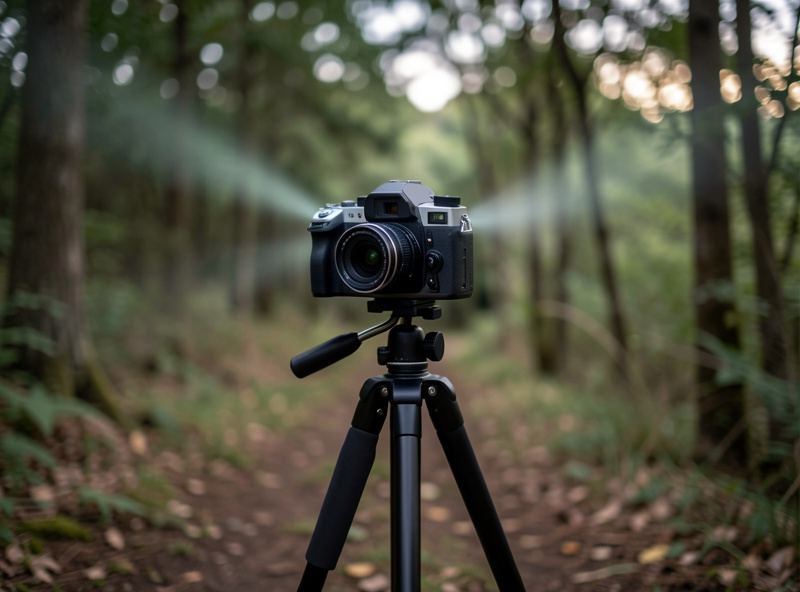
A wireless remote shines for light painting, where I’m walking around the scene drawing with a torch and a cable would tether me to the tripod — I trigger from wherever I’m standing. It’s also handy when I want to be in the frame or when wind on a cable is a problem. The manufacturers’ phone apps (Fujifilm’s and Sony’s both) let me compose on the phone screen, set the shutter, and fire, which is genuinely useful for awkward low or high tripod positions where I can’t get my eye to the finder. The catch with both wireless options is dependence on batteries and a radio or Bluetooth link that can drop in the cold or at range — on a freezing Swedish blue hour I’ve had a phone die mid-session, which is exactly why my reliable default stays a dumb wired cable. For light painting specifically, where a wireless remote earns its keep, see light painting basics. You can browse wireless shutter remotes for your mount.
Buy a wired cable release with a bulb lock first, and add a programmable intervalometer only when your exposures start running past 30 seconds. That two-item path covers everything from silky water to minutes-long cloud streaks without overspending, and it’s exactly the order I’d buy in if I were starting today. Skip the wireless remote until you have a specific reason — light painting or self-portraits — that demands it.
The one caution worth repeating: match the release to your camera’s port. Mounts use different connectors, and a release built for one brand won’t fit another, so buy the version listed for your specific body. Beyond that, the cheap third-party units genuinely work — this is one accessory where the manufacturer premium buys reliability and a nicer feel but not better results. A ten-dollar cable release and a twenty-dollar intervalometer have made frames I’ve printed to A2. Spend the money you save on better glass and a more rigid tripod, which actually change your images. The trigger just needs to get your hand off the camera and hold the shutter open — do that reliably and it’s done its job.
For anything beyond your camera’s 30-second timed limit, yes, because a release is the only practical way to hold the bulb shutter open, and it removes the vibration your finger causes at release. For shorter frames a two-second self-timer works as a free alternative, but it cannot hold bulb.
A shutter release simply fires the shutter and, with a lock, holds bulb while you time it yourself. An intervalometer is programmable: it lets you set an exact bulb duration and fire timed sequences of frames automatically. You need the intervalometer once your exposures run past 30 seconds or you want time-lapse.
Often yes. Most camera makers offer an app that connects over Wi-Fi or Bluetooth to compose on the phone, set the shutter, and trigger, and many can hold bulb. It is convenient and needs no extra hardware, but it depends on battery and a wireless link that can drop in cold weather, so many photographers keep a wired release as backup.
Yes. Inexpensive third-party wired releases and intervalometers work identically to the manufacturer versions for a fraction of the price, as long as you buy the one made for your camera’s connector. The premium mainly buys build quality and feel, not better image results.
No. Cameras use different remote-release connectors by brand and sometimes by model, so a release made for one mount will not fit another. Always buy the version listed as compatible with your specific camera body, whether it is a wired cable, a wireless remote, or an intervalometer.
To confirm which release connector and app your body uses, check the manufacturer’s own support pages — Fujifilm X and Sony both list compatible remotes per model, which is the spec I trust over a marketplace listing.
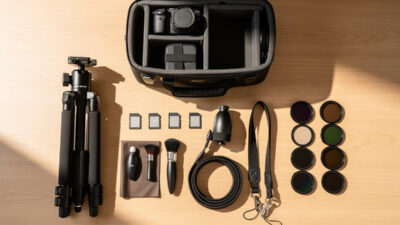
The camera body you shoot matters less than the accessories you use with it. A…
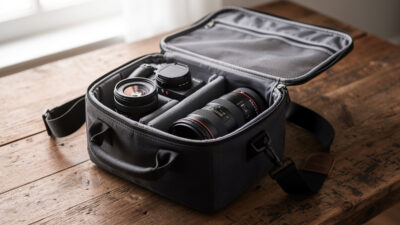
A camera bag is the one accessory every photographer owns, and most own the wrong…
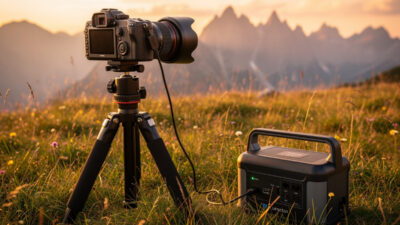
Stock camera batteries cover one day, a 100Wh USB-PD power bank covers two to three,…
Leave a Reply